Chefs Wanted: Your Ultimate Guide to Culinary Staff Hiring & Recruitment
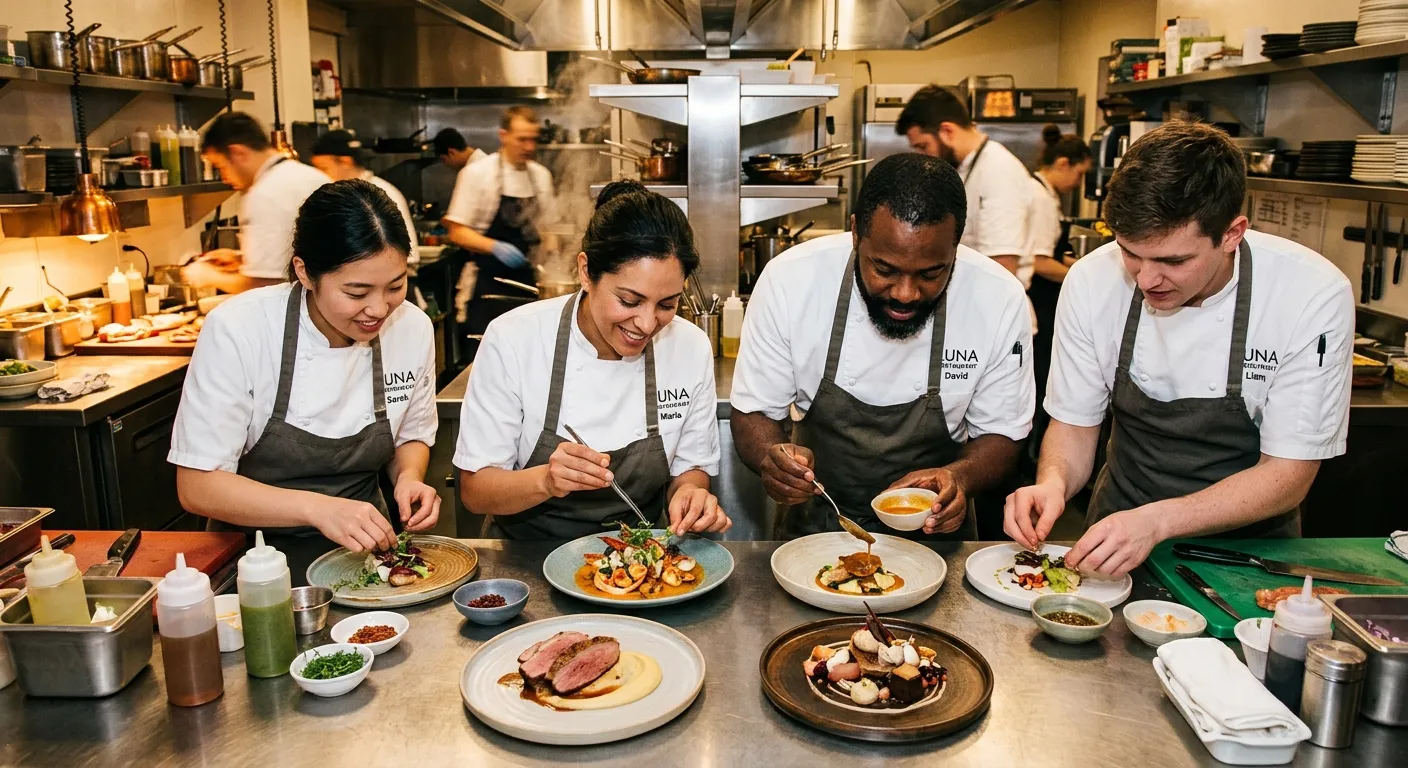
Finding the right culinary talent is the single most critical ingredient for a restaurant's success. Whether you're a Michelin-starred establishment seeking a visionary Head Chef or a bustling hotel needing reliable Pastry Staff Hiring, navigating the recruitment landscape requires strategy, speed, and precision. This comprehensive guide covers everything from crafting compelling job posts to onboarding top-tier talent in a competitive market.
Post Your Chef Job NowNavigating Culinary Recruitment: A Multi-Category Overview
The culinary field is diverse. Your hiring strategy must be equally nuanced. Use the tabs below to explore the specific challenges and solutions for different types of kitchen roles.
Leadership & Vision in the Kitchen
Hiring a Head Chef is more than filling a position; it's hiring the creative and operational leader of your business. The process involves evaluating not just technical skills, but leadership, financial acumen, menu development prowess, and cultural fit. Look for candidates with a proven track record of managing food costs, training teams, and driving consistent quality. A Sous Chef should be a strong right hand, capable of executing the Head Chef's vision and stepping up during service rushes. The recruitment process here is lengthy and must be thorough, often involving multiple stages like tastings, trail shifts, and deep-dive interviews about their management philosophy.
Pro-Tip: The Trail Shift
Never hire a senior chef without a paid trail shift. Observe their command of the kitchen, their interaction with your existing team, and their ability to work cleanly and efficiently under pressure. It's the most accurate predictor of future performance.
The Art of Pastry & Specialized Skills
Pastry Staff Hiring requires a unique lens. Pastry chefs and bakers are artists and scientists combined. Their skill set is highly specialized, from lamination and chocolate work to sugar artistry and dietary-specific baking (e.g., gluten-free, vegan). When recruiting, a portfolio of their work is as important as their CV. Look for precision, creativity, and an understanding of scalability—can their beautiful creations be replicated 50 times for a busy Saturday service? Similarly, roles like Butcher, Fishmonger, or Saucier require deep, niche expertise. Partnering with an agency that understands these specialisms can save immense time and ensure you get a candidate who truly knows their craft, much like how we source expert Transport Planners or IT Sales professionals for their respective technical fields.
The Engine Room of the Kitchen
Line cooks and commis chefs are the backbone of every service. Turnover can be high, so a streamlined, efficient hiring process is key. Focus on attitude, trainability, and stamina as much as existing knife skills. A candidate with a great attitude and willingness to learn can often be molded into an excellent cook. Utilize practical assessments during interviews—a basic knife skills test or asking them to cook an omelette can reveal a lot about their fundamentals and cleanliness. Building a pipeline for these roles is crucial; consider relationships with culinary schools and apprenticeship programs. Our approach mirrors the efficiency needed in other high-volume sectors, such as securing Construction Workers or On Demand Labourers, where reliability and a strong work ethic are paramount.
Flexible Staffing for Peak Demand
Seasonal peaks, large events, or unexpected staff shortages demand a reliable pool of temporary kitchen staff. The gig economy is transforming this space, offering quality chefs and kitchen porters available at short notice. Success here depends on a agency's vetting process and speed. You need workers who can hit the ground running with minimal orientation. This model provides incredible flexibility, allowing you to scale your team up or down without the long-term commitment of permanent hires, protecting your bottom line during quieter periods. The principles are identical to those used in Event Staffing or providing Same Day Temp Workers for industrial projects—it's all about verified, ready-to-work talent available precisely when you need it.
Why a Strategic Approach to"Chefs Wanted" Matters
Cost of a Bad Hire
A mismatched chef can cost tens of thousands in wasted wages, training, lost productivity, and even reputational damage if consistency suffers. A structured recruitment process mitigates this risk by ensuring cultural, skill, and vision alignment from the outset.
Speed-to-Kitchen
Every day a key role is vacant, your operation is compromised. Leveraging established networks and digital platforms can dramatically reduce time-to-hire, getting qualified candidates in front of you within days, not weeks. This urgency is akin to filling critical roles in Healthcare Staffing or on a Construction Staffing project.
Access to Passive Talent
The best chefs aren't always actively looking. A proactive search strategy, often facilitated by specialist recruiters, taps into this passive talent pool—individuals who might move for the right opportunity but aren't scanning job boards. It's about headhunting, not just advertising.
Crafting a Winning Recruitment Strategy
The Job Description: Your First Impression
A vague job post attracts vague candidates. Your"Chefs Wanted" advertisement must be a compelling sales pitch for the role. Start with a gripping summary of your restaurant's story and culture. Detail responsibilities with specificity—don't just say"prepare food," describe the station, the expected volume, and the type of cuisine. Clearly list essential qualifications (e.g.,"minimum 2 years experience in a fast-paced à la carte kitchen,""NVQ Level 2 in Professional Cookery") and nice-to-haves. Crucially, sell the benefits: competitive salary (state a range), tronc arrangements, career progression opportunities, staff meals, and any unique perks.
Transparency about pay is no longer optional; it saves everyone's time. Remember, a job description is a two-way street; it filters out unsuitable applicants while attracting those who are genuinely excited by the opportunity you present. This level of clarity is a hallmark of professional recruitment across all sectors, as seen in our detailed postings for roles from Traffic Marshall to Cruise Ship Attendant.
The Interview & Assessment Process
Move beyond standard interview questions. Structure your process to evaluate three core areas: Technical Skill, Cultural Fit, and Problem-Solving Ability.
- Technical: Practical cooking tests, menu theory questions, and safety/HACCP knowledge quizzes.
- Cultural Fit: Use scenario-based questions ("How would you handle a conflict between two line cooks?"). Involve your current team in the process—after all, they have to work with the new hire.
- Problem-Solving: Present a hypothetical kitchen crisis (e.g., a key ingredient delivery fails 30 minutes before service) and assess their thought process.
Consistency is key. Ask all shortlisted candidates the same core questions to allow for fair comparison. Taking notes during each interview is essential for later deliberation.
Onboarding: From Hire to High Performer
The hiring process doesn't end with a signed contract. A structured onboarding program is critical for retention and rapid integration. This should include:
- A formal introduction to the entire team and management.
- Comprehensive training on kitchen systems, POS, safety protocols, and recipe standards.
- A clear schedule for the first week, mixing shadowing with gradually increasing responsibility.
- Scheduled check-ins at the end of week one, month one, and month three to address any concerns and provide feedback.
A poor onboarding experience is a primary reason for early departure. Investing time here pays dividends in staff loyalty and performance. This principle of structured integration is part of our Our Approach across all placements, ensuring every worker, from a Site Cleaner to a specialist chef, feels prepared and valued from day one.
Leveraging Technology & Agencies
While job boards have their place, specialist culinary recruitment agencies offer a powerful alternative. They act as an extension of your HR team, handling the time-consuming tasks of sourcing, initial screening, and reference checking. They have pre-vetted talent pools and understand the nuances of the industry. The cost of an agency fee must be weighed against the value of your own time saved and the reduced risk of a mis-hire. For temporary or urgent needs, an agency's ability to provide quality staff at speed is often unparalleled.
Additionally, modern Applicant Tracking Systems (ATS) can streamline your process, while social media platforms like Instagram and LinkedIn are increasingly effective for showcasing your kitchen culture and attracting talent directly.
Frequently Asked Questions: Culinary Hiring
Quick answers to the most common questions about finding and hiring kitchen staff.
How long does it typically take to hire a Head Chef?
The timeline for hiring a Head Chef is substantial, often ranging from 6 to 12 weeks. This includes crafting the job spec, advertising, initial screening, conducting first and second-round interviews (often involving tastings or trail shifts), reference and background checks, and finally, negotiation and notice period. Rushing this process is one of the biggest mistakes a restaurant can make. A thorough, patient approach is essential to secure the right leader for your business.
What should I look for when hiring for Pastry Staff?
Beyond a CV, Pastry Staff Hiring demands a visual and practical assessment. Always request a portfolio of their work—photos of plated desserts, wedding cakes, bread, etc. Look for clean technique, creativity, and consistency. A practical test is crucial: ask them to prepare a specific item from your menu or a foundational skill like a perfect pâte sucrée or a consistent choux pastry. Assess their organization, cleanliness, and time management during the test. Also, probe their knowledge of ingredient functionality, costing, and ability to scale recipes for production.
Is it better to hire permanent or temporary kitchen staff?
The answer depends on your specific need. Permanent hires are ideal for core, long-term roles where you want to build team culture and invest in development. Temporary staff provide essential flexibility for covering holidays, sick leave, seasonal rushes (like Christmas), or special events. Many businesses now use a hybrid model: a solid core of permanent staff supplemented by a trusted pool of reliable temps. This offers stability alongside agility, protecting you against unforeseen staffing gaps. This flexible model is revolutionizing many industries, as explored in our resources on Temporary Jobs and the broader Labour Supply market.
How can I make my kitchen more attractive to top chefs?
Top talent seeks more than just a paycheck. Competitive salary and fair tronc are baseline expectations. Beyond that, emphasize: Culture: A respectful, professional, and collaborative environment. Work-Life Balance: Realistic hours and structured rotas. Quality Tools & Ingredients: Chefs want to work with the best. Career Growth: Clear paths for advancement, training budgets, and opportunities for creativity. Leadership: Working under a respected and supportive Head Chef or GM is a huge draw. Showcase these aspects in your job ads and during interviews.
For more detailed insights, visit our comprehensive Blogs section or our main FAQ page.
Ready to Transform Your Kitchen Team?
Stop letting"Chefs Wanted" be a constant headache. Whether you need a permanent culinary leader, specialist pastry talent, or a flexible team for peak season, the solution is here. Post your job on our platform and tap into a network of pre-vetted, passionate culinary professionals ready to bring their skills to your pass.
Need staff in other sectors? Explore our expertise in Industrial Workforce, Construction Recruitment, and more.