Your Comprehensive Guide to Finding & Securing Top Cook Chef Jobs
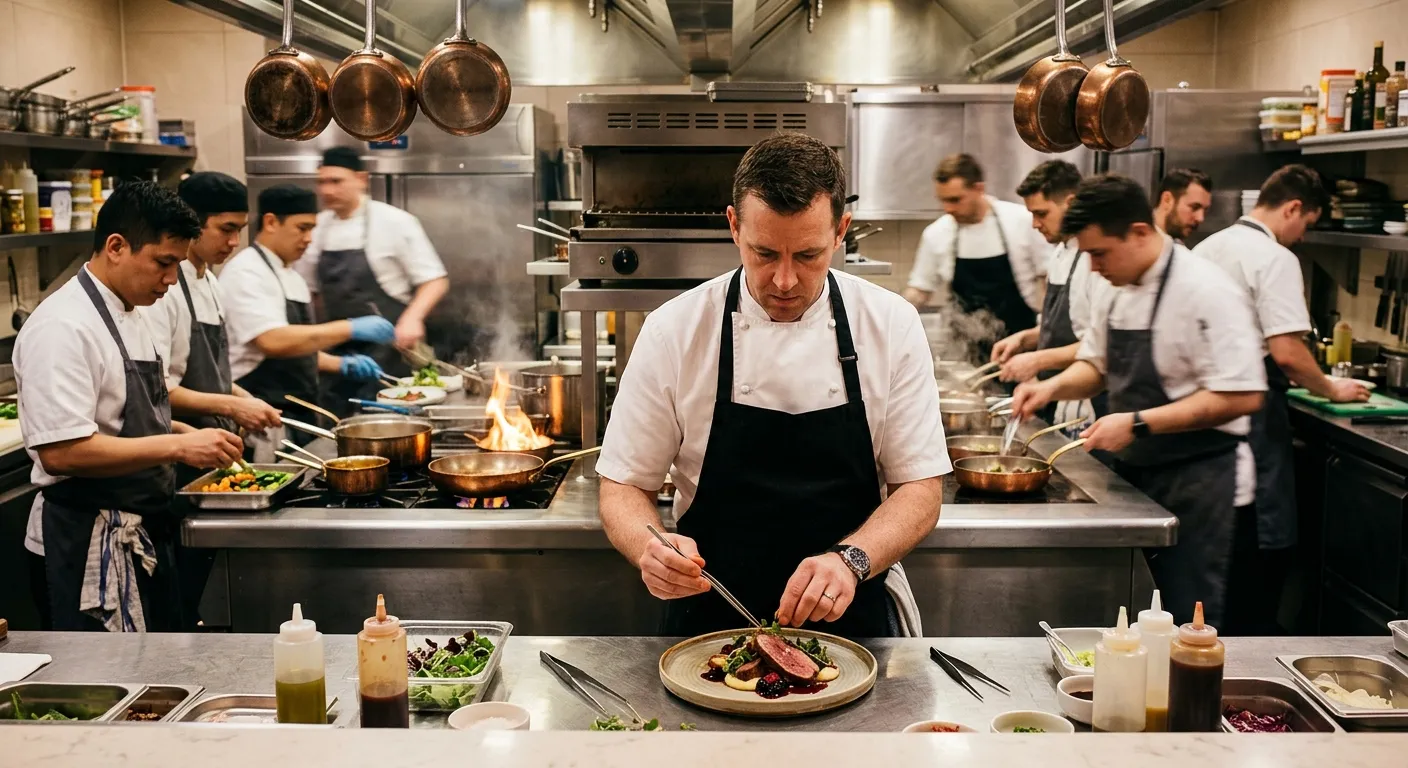
The culinary world is dynamic, demanding, and deeply rewarding. Whether you're a sous chef seeking your first head chef role or a commis chef ready to climb the ladder, navigating the landscape of Cook Chef Jobs requires strategy, skill, and the right connections. This definitive Cook Chef Jobs guide provides the actionable insights and best practices you need to land your next role, from understanding market trends to mastering the interview. For employers, we reveal how to source and retain the culinary talent that drives restaurant success, a challenge as critical as finding reliable Construction Staffing & Labour Hire for a major project.
Navigating the Culinary Job Market
As a culinary professional, your career path is defined by skill, creativity, and opportunity. The market for top Cook Chef Jobs is competitive but ripe with potential for those who prepare effectively. This section breaks down the essential steps, from refining your CV to negotiating your contract, ensuring you present yourself as the indispensable candidate every kitchen needs.
Pro-Tip: Specialise to Stand Out
While general chef skills are foundational, developing a niche—such as pastry arts, vegan cuisine, or fire-cooking—can make you a highly sought-after candidate for specific Cook Chef Jobs. It’s similar to how a CPCS-certified telehandler operator is in high demand within Industrial Workforce projects.
Hiring the right chef is one of the most critical decisions for any food service business. A bad hire can cost thousands in wasted food, lost reputation, and team disruption. This guide outlines how to define roles clearly, source talent efficiently, and create a kitchen culture that retains top performers. Just as you would use a dedicated service for Labour Hire Solutions For Commercial Plumbing Projects, a strategic approach to chef recruitment is non-negotiable.
Pro-Tip: Assess Practical Skills, Not Just CVs
Always include a practical"stage" (trial shift) in your hiring process. Observing a candidate's knife skills, timing, temperament, and cleanliness under real pressure is worth more than any listed accolade. It's the culinary equivalent of verifying a CSCS card before a site start, a fundamental step highlighted in our 2026's Top Talent Sourcing Guide.
Why a Strategic Approach to Chef Jobs is Essential
Diverse Career Pathways
From fine-dining restaurants and hotel chains to private catering, cruise ships, and high-end corporate dining, Cook Chef Jobs offer incredible variety. Understanding which environment suits your skills and lifestyle is the first step to long-term satisfaction, much like choosing between site-based and warehouse roles in general labour.
High Demand & Earning Potential
Skilled chefs are consistently in demand. With experience and specialisation, earning potential rises significantly, especially in head chef or executive chef roles overseeing multiple outlets. The financial progression mirrors skilled trades in construction, where experienced Carpenters in London command premium rates.
Team Dynamics & Leadership
A kitchen is a high-pressure team environment. Success in Cook Chef Jobs depends as much on leadership, communication, and mentorship as on culinary technique. Building a cohesive brigade is akin to assembling a reliable site team through a trusted On Demand Labourer service, where every member is vetted and skilled.
The Hierarchy of Cook Chef Jobs: Roles, Responsibilities & Requirements
Understanding the formal structure of a professional kitchen is crucial for targeting the right position. Here’s a breakdown of the classic brigade system, adapted for modern restaurants.
Core Kitchen Positions
1. Executive Chef (Chef de Cuisine)
The ultimate authority. Responsible for overall menu creation, kitchen operations, cost control, and often multiple venues. Requires 10+ years of experience, supreme business acumen, and creative vision.
2. Head Chef (Sous Chef)
The kitchen's second-in-command and day-to-day manager. Directs the brigade, manages service, and trains staff. A stepping stone to an executive role, requiring exceptional organisational and leadership skills.
3. Station Chefs (Chefs de Partie)
Specialists responsible for a specific section: sauté, grill, pastry, vegetables, etc. Mastery of a particular skill set is key. This is where most career chefs spend significant time honing their craft.
4. Commis Chef
The junior chef, supporting the station chefs. This is the entry point for most Cook Chef Jobs, focusing on learning fundamentals, prep work, and kitchen procedures. Attitude and willingness to learn are paramount.
Beyond these core roles, modern kitchens may include specialized positions like Development Chefs, Private Chefs, or Consultant Chefs. Identifying where you fit—or want to fit—in this structure is the cornerstone of any effective Cook Chef Jobs guide. For employers, defining this hierarchy clearly in job descriptions attracts the right level of candidate, preventing the costly mismatch that can plague any hiring process, whether for a chef or for CSCS Labourers in London.
Watch this video to understand the career journey from kitchen helper to head chef, highlighting the skills and milestones required for progression.
Actionable Best Practices for Securing Top Cook Chef Jobs
Landing a coveted role requires more than a good CV. Here are the Cook Chef Jobs best practices endorsed by industry leaders and recruitment specialists.
1. Craft a Culinary CV That Sizzles
Your CV is your first tasting menu. It must be concise, clean, and highlight results.
- Lead with Experience & Achievements: List roles in reverse chronological order. For each, include key responsibilities and, crucially, quantifiable achievements (e.g.,"Reduced food waste by 15%,""Increased menu GP by 5%,""Trained 3 commis to chef de partie level").
- Skills Section is Key: Beyond"knife skills," list specific techniques (sous-vide, butchery, pastry lamination), cuisines (Italian, Modern Asian), and software (inventory systems, scheduling tools).
- Include References: Strong, verifiable references from previous head chefs or employers are worth their weight in gold. It’s the professional trust factor, similar to the verified track record we provide for all our Staff.
2. Master the Interview & Trial Shift
The interview process for chefs is uniquely practical. Prepare for a multi-stage assessment.
The"Stage" (Trial Shift): Your Moment to Shine
This is your live audition. Arrive early with your own knives (sharpened!). Listen intently, work cleanly, and show respect for the kitchen's existing systems and hierarchy. Ask intelligent questions about produce suppliers or menu philosophy. Demonstrate that you're not just skilled, but you'll be a positive, adaptable addition to the team. This hands-on verification is a best practice across industries; it's why we recommend trial shifts for permanent placements and why a site visit is standard before booking Temporary Staff.
3. Leverage the Right Channels & Networks
Don’t just rely on generic job boards. Specialist culinary recruitment agencies have deep industry connections and understand the nuances of different kitchen cultures. Networking at industry events, supplier shows, and through former colleagues remains a powerful way to discover unadvertised top Cook Chef Jobs. For employers, using a specialised agency saves time and ensures quality, much like partnering with a firm for Immediate Start Recruitment in London ensures fast, reliable fills for critical roles.
Frequently Asked Questions About Cook Chef Jobs
What is the most important quality employers look for in a chef?
While technical skill is a prerequisite, reliability and a calm temperament under pressure are often cited as the top qualities. A chef who shows up on time, consistently follows procedures, and maintains composure during a busy service is invaluable. This mirrors what we see across all trades; a reliable Construction Worker with a good attitude is always in higher demand than a talented but unpredictable one.
How can I transition from a restaurant chef to a private or corporate chef role?
This shift requires highlighting slightly different skills. Emphasise your menu planning versatility, budget management, and client-facing experience. Private and corporate roles often involve more direct interaction with clients or executives, meal planning for diverse dietary needs, and working independently. Building a portfolio of private dining events or pop-ups while in a restaurant role can provide crucial experience. It’s a strategic career pivot, similar to a labourer moving into a specialised Site Cleaner or supervisory role.
What are the current salary benchmarks for head chefs in the UK?
Salaries vary widely by location, venue type, and experience. As of 2026, a Head Chef in a London restaurant can expect £40,000 - £65,000+, while in other major cities the range is typically £35,000 - £50,000. Executive chefs for groups can command £70,000+. Always research the specific market and consider the entire package (bonuses, tips, accommodation). For accurate, localised benchmarks, consulting a specialist agency is advised, just as you would for understanding rates for Bricklayer Jobs in London.
As an employer, how can I reduce chef turnover in my kitchen?
High turnover is costly and disruptive. Key retention strategies include: 1. Clear Career Progression: Outline paths from commis to sous chef. 2. Fair Compensation & Benefits: Competitive pay, structured overtime, and meal allowances. 3. Positive Culture: Zero tolerance for bullying, encouraging creativity, and respecting work-life balance where possible. 4. Invest in Training: Sponsor courses or wine certifications. Creating a kitchen where people want to stay is the ultimate goal, a principle that applies equally to retaining a skilled Industrial Workforce.
Ready to Find Your Next Culinary Role or Hire Your Dream Chef?
Navigating the world of Cook Chef Jobs demands expertise, whether you're seeking a new challenge or building an unbeatable kitchen team. Don't leave your next career move or critical hire to chance.
For immediate assistance or to discuss your specific needs, visit our Contact Us page or explore more Resources for industry insights.
The Modern Chef's Toolkit: Essential Skills Beyond the Stove
Today's culinary success hinges on a blend of classic technique and contemporary business acumen. Securing top-tier Cook Chef Jobs now requires proficiency in areas far beyond the kitchen line. Here’s a breakdown of the must-have skills for the modern chef.
Financial & Inventory Management
A chef who cannot control costs is a liability. Key competencies include:
- GP (Gross Profit) Analysis: Understanding how to price dishes to achieve target margins, accounting for food cost, waste, and portion control.
- Inventory Software: Proficiency with systems like MarketMan, ChefTec, or simple spreadsheet models to track stock, forecast ordering, and minimize waste.
- Supplier Negotiation: Building relationships with purveyors to secure the best quality and prices, including arranging contracts for high-volume items.
This financial discipline is as critical as a project manager controlling the budget on a large-scale Construction Staffing project.
Technology & Digital Presence
The digital kitchen is here. Essential tech skills include:
- Social Media & Food Styling: Ability to style and photograph dishes for menus, Instagram, and promotional materials. A visually appealing digital portfolio is a powerful tool.
- Kitchen Management Platforms: Using tools like 7shifts or Deputy for scheduling, labour cost management, and communication.
- Online Ordering & Delivery Systems: Understanding the integration of third-party delivery apps and how they impact kitchen workflow and packaging.
A strong digital footprint can set you apart, much like a tradesperson with a robust profile on a specialised platform.
Case Study: From Commis to Head Chef in 5 Years
Understanding a real career trajectory provides invaluable context. Let's examine the path of"Alex," who rapidly ascended in a competitive London dining scene.
Year 1-2: The Foundation (Commis Chef)
Role: Started in the vegetable section of a Michelin-starred restaurant. Key Actions: Alex focused on mastering fundamentals—consistent knife cuts, stock production, and mise en place efficiency. Outside work, they attended butchery workshops and studied flavour theory.
Takeaway: This phase is about absorbing knowledge and demonstrating relentless work ethic. Alex’s proactivity in seeking extra training was noted by senior chefs.
Year 3: Specialisation (Chef de Partie - Saucier)
Role: Promoted to saucier, responsible for all sauces, stews, and sautés. Key Actions: Alex meticulously documented every recipe, experimented with reductions and emulsions, and began suggesting small menu tweaks. They also took a basic cost-control evening course.
Takeaway: Deep specialisation creates value. By owning the station completely and showing business awareness, Alex became seen as a potential future leader.
Year 4-5: Leadership & Transition (Sous Chef to Head Chef)
Role: Promoted to Sous Chef, then recruited as Head Chef by a new boutique hotel. Key Actions: As Sous, Alex mastered ordering, staff scheduling, and managing service crises. They built a network through suppliers and industry events. For the Head Chef interview, they presented a full menu portfolio with costings and a staff training plan.
Takeaway: The leap to Head Chef required proving managerial and creative vision, not just technical skill. Alex’s preparation mirrored the due diligence an employer does when using a service to Book Temporary Staff—assessing capability, planning, and fit.
The Future Plate: Emerging Trends & Niche Cook Chef Jobs
The culinary landscape is evolving. Awareness of these trends can uncover unique, high-demand career paths within the broader Cook Chef Jobs market.
| Niche Role | Description & Drivers | Key Skills Required |
|---|---|---|
| Plant-Based & Vegan Development Chef | Driven by the explosive growth in veganism and flexitarian diets. Works for restaurants, food brands, or product development companies to create innovative plant-based dishes and products. | Deep knowledge of alternative proteins (tofu, tempeh, seitan), flavour pairing for"umami" without animal products, food science principles. |
| Ghost Kitchen / Virtual Brand Chef | The rise of delivery-only concepts creates roles focused solely on producing food optimized for travel, packaging, and speed, often managing multiple menus from one location. | Logistical efficiency, strong understanding of packaging science, ability to cook for the"camera" (delivery app visuals), data analysis of sales trends. |
| Sustainability & Waste-Reduction Chef | Increasingly a dedicated role in high-profile kitchens. Focuses on implementing zero-waste practices, sourcing hyper-locally, and creating menus from"root to stem" and"nose to tail." | Butchery and preservation skills (pickling, fermenting, curing), strong supplier network for unusual produce, ability to educate and lead a team in new practices. |
Positioning yourself within an emerging niche can offer faster advancement and greater job security, as demand often outstrips supply. It's analogous to a labourer gaining certification in a specialised area like Site Cleaning or confined space work, making them indispensable for specific projects.
The Global Kitchen: Exploring International Cook Chef Jobs
For many chefs, experience abroad is a rite of passage and a powerful career accelerator. Working in a different culinary culture broadens your technique, palate, and professional network.
Cruise Ships & Superyachts
Offers stable, contract-based work travelling the world. Kitchens are high-volume and require exceptional organisation and adaptability to serve diverse international guests.
Considerations: Long hours confined to the vessel, but often tax-free income and travel benefits.
International Hotel Chains
Major groups like Four Seasons, Marriott, or Hilton offer structured career progression across continents. This path provides stability, corporate training, and a clear hierarchy.
Considerations: Can be more corporate in culture; menus may be less avant-garde but require consistent execution.
Destination Restaurants & Resorts
From ski chalets in the Alps to beach resorts in the Maldives, these roles often are seasonal but offer high earning potential in stunning locations, focusing on a specific guest experience.
Considerations: Seasonality can lead to periods of unemployment; requires flexibility and a sense of adventure.
Securing an international role often requires planning visas, language skills, and understanding local certification requirements. Partnering with a global recruitment agency can streamline this complex process, providing a level of support similar to that needed for deploying a skilled Industrial Workforce across different national regulations.