The Hotel Sous Chef: Your Ultimate Guide to a Thriving Culinary Leadership Career
Master the art of hotel kitchen management. Discover the skills, responsibilities, and career paths for Hotel Sous Chefs, and learn how to hire or become one in today's dynamic hospitality market.
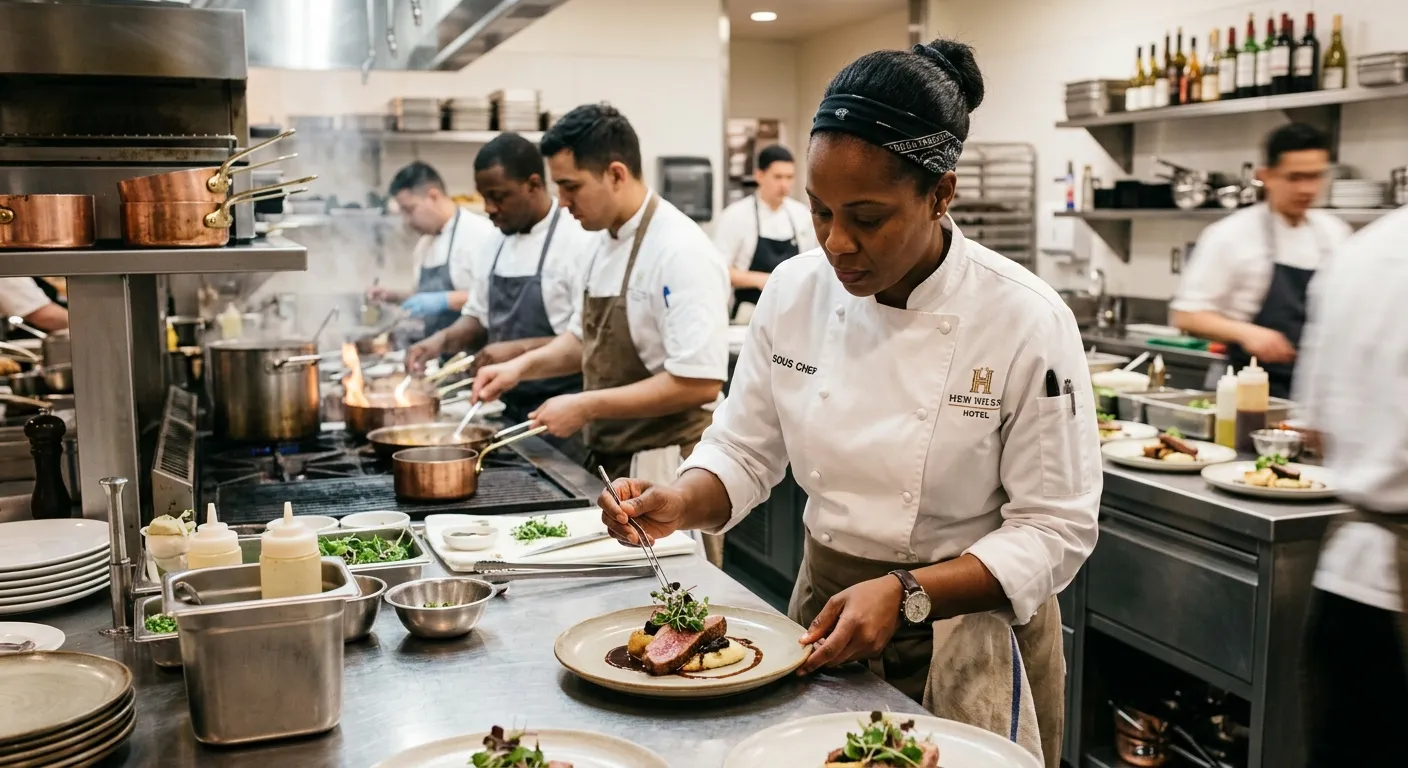
In the high-stakes, fast-paced world of hotel hospitality, the kitchen brigade operates like a well-oiled machine. At the heart of this culinary engine, second only to the Executive Chef, stands the Hotel Sous Chef. This pivotal role is far more than just a deputy; it is the linchpin of daily kitchen operations, the trainer of talent, and the guarantor of consistent culinary excellence. As the hospitality industry evolves with trends like online cooking jobs and gig-based staffing, understanding the nuances of this position is critical for both hiring managers and aspiring culinary professionals.
This comprehensive guide delves deep into the world of the Hotel Sous Chef. We'll explore the core responsibilities, essential skills, and career trajectory. For hotel managers, we provide actionable insights on how to identify and recruit top-tier Sous Chef talent efficiently. For chefs, we map out the path to securing this coveted role and excelling within it. Whether you're looking to hire labour for your culinary team or advance your own career, this resource is your definitive handbook.
Navigating the Hotel Sous Chef Role: A Multi-Category Overview
Explore the different facets of the Sous Chef position through our interactive guide.
Core Duties & Daily Operations
The Hotel Sous Chef is the operational backbone of the kitchen. While the Executive Chef focuses on menu creation, costing, and external relations, the Sous Chef ensures the vision is executed flawlessly, day in, day out.
- Kitchen Management: Directs the daily prep, cooking, and plating for all meal periods (breakfast, lunch, dinner, banquets, room service).
- Staff Supervision & Training: Manages line cooks, commis chefs, and porters. Provides hands-on training to maintain standards and improve skills, much like the oversight needed for a reliable construction workers team on a complex site.
- Inventory & Ordering: Monitors stock levels, places orders with suppliers, and manages food costs to prevent waste.
- Quality Control: Tastes every dish, ensures presentation meets brand standards, and addresses guest complaints promptly.
- Safety & Sanitation: Enforces strict HACCP protocols, ensuring the kitchen meets all health and safety regulations.
Pro-Tip for Hiring Managers:
A great Sous Chef is a multiplier. They don't just follow orders; they elevate the entire team's performance. Look for candidates who demonstrate proactive problem-solving and a natural aptitude for mentorship.
The Non-Negotiable Skill Set
Technical culinary prowess is a given. The differentiating factors for a Hotel Sous Chef lie in the blend of hard and soft skills required to manage pressure, people, and profit.
Leadership & Communication
Must command respect, delegate effectively under extreme pressure, and communicate clearly with both kitchen staff and front-of-house management. This is akin to the coordination required for successful event labourer jobs where timing is everything.
Organizational Acumen
Juggling multiple banquet events, à la carte service, and staff schedules requires military-grade organization. Proficiency with kitchen management software is increasingly essential.
Financial Literacy
Understanding food cost percentages, portion control, and labour budgets is critical for profitability. A Sous Chef directly impacts the kitchen's bottom line.
Adaptability & Crisis Management
When a key supplier fails or three banquet guests have severe allergies, the Sous Chef must pivot instantly and find a solution without compromising service.
From Commis to Executive: The Career Ladder
The journey to Hotel Sous Chef is a deliberate climb. It typically follows this path: Commis Chef → Chef de Partie (Station Chef) → Senior Chef de Partie → Sous Chef. Each step requires mastering specific stations (saucier, garde manger, pastry) and demonstrating increasing leadership. The rise of online cooking jobs platforms also offers alternative routes, allowing chefs to gain diverse experience through temporary or project-based roles in various hotels before landing a permanent Sous Chef position.
After excelling as a Sous Chef, the next steps are Executive Sous Chef and ultimately, Executive Chef or Chef de Cuisine. Many also branch into F&B Directorship or consultancy. Continuous education in new cuisines, sustainability practices, and management techniques is vital. For those seeking flexible opportunities, exploring temporary jobs in high-end establishments can provide invaluable experience and networking opportunities.
Recruiting Top-Tier Sous Chef Talent
Hiring the right Sous Chef is one of the most critical decisions a hotel's F&B department can make. A bad hire leads to high staff turnover, inconsistent quality, and financial loss.
- Look Beyond the CV: A stellar resume is important, but in a practical test (stage), observe how the candidate interacts with your team, handles unexpected challenges, and manages their station.
- Assess Cultural Fit: Your Sous Chef must embody the hotel's brand—whether it's a relaxed boutique hotel or a formal five-star palace. Their management style must align with your company's values.
- Utilize Specialized Agencies: Partnering with a hospitality staffing agency that understands the specific pressures of hotel kitchens can streamline the process, similar to how firms rely on construction recruitment labour hire for specialized trades.
- Offer Competitive Packages: Top talent expects more than just a salary. Consider benefits like performance bonuses, continuous training allowances, meal provisions, and a clear path for advancement.
Why the Hotel Sous Chef is Indispensable
The benefits of a skilled Sous Chef extend across the entire hotel operation.
Operational Consistency & Quality Assurance
They are the guardians of the standard. Whether the Executive Chef is present or not, a Sous Chef ensures every dish leaving the pass is identical in taste and presentation, building guest trust and loyalty. This reliability is as crucial as having dependable our staff across all hotel departments.
Cost Control & Profit Driver
Through vigilant inventory management, waste reduction, and efficient labour scheduling, a proactive Sous Chef directly improves the kitchen's gross profit margin. They turn culinary artistry into financial sustainability.
Team Development & Retention
A good Sous Chef is a teacher. By investing in their team's skills and fostering a positive, disciplined work environment, they reduce turnover—a major cost in hospitality. They build the next generation of culinary leaders within your hotel.
Crisis Management & Flexibility
When a last-minute wedding party arrives or a key team member calls in sick, the Sous Chef is the first line of defence. Their ability to adapt and solve problems under pressure keeps service smooth and guests happy.
Bridge to Modern Staffing Models
In the era of flexible work, a savvy Sous Chef can effectively manage a blend of core staff and temporary specialists hired for peak periods or specific skills, leveraging platforms for online cooking jobs. This mirrors the agility seen in on-demand labourers models in other industries.
Brand Ambassador & Innovator
They interact with guests, contribute to menu development with practical insights, and ensure the hotel's culinary concept is alive on the plate every day. They are the living embodiment of the hotel's food and beverage promise.
Deep Dive: Mastering the Hotel Sous Chef Position
The Hiring Manager's Checklist: Securing Your Culinary Second-in-Command
Finding a Sous Chef who is both a technical master and a natural leader requires a structured approach. Rushing this hire can be disastrous. Follow this checklist to maximize your chances of success.
- Define the Non-Negotiables: Before posting the job, list the must-haves (e.g., 3+ years in a high-volume hotel kitchen, proven banquet experience, specific cuisine expertise) versus the nice-to-haves (e.g., pastry specialization, language skills).
- Craft a Compelling Job Description: Go beyond a list of duties. Sell the opportunity—mention the hotel's unique culinary direction, the team they'll lead, and the growth potential. Highlight if you utilize flexible online cooking jobs platforms for supplemental staffing.
- Utilize Multi-Channel Recruitment: Post on specialist hospitality job boards, leverage your professional network, and consider partnering with a reputable agency. For other critical hotel roles, many managers also find success through targeted local searches, similar to how one might find labourer jobs in Coventry for specific projects.
- Design a Rigorous Interview Process: Include a formal panel interview, a practical cooking test (mise en place, cooking to order, plating under time pressure), and a"shadow shift" where they observe and interact with the current team.
- Check References Thoroughly: Speak directly with former Executive Chefs and General Managers. Ask about specific scenarios:"How did they handle a major kitchen crisis?""What was their impact on team morale and cost control?"
- Present a Competitive Offer: Beyond base salary, consider benefits like a performance-based bonus tied to kitchen profitability, a generous training budget, and assistance with relocation if necessary.
Expert Insight:
"The best Sous Chefs I've hired weren't always the ones with the most prestigious CVs. They were the ones who asked the most insightful questions about our team culture and food waste goals during the interview. They were thinking like a business partner from day one." – Former Executive Chef, Luxury Hotel Group.
The Modern Workforce: Adapting to Change
The hospitality landscape is shifting. Understanding broader staffing trends can help Sous Chefs and hiring managers alike navigate the future. This video explores the rise of flexible work models, a trend also influencing how kitchens might staff for peak periods.
Just as the gig economy transforms other sectors, the concept of online cooking jobs for temporary or specialist chef roles is gaining traction. A forward-thinking Hotel Sous Chef must be adept at integrating these flexible workers into the core brigade seamlessly.
For the Aspiring Sous Chef: Your Roadmap to Success
Your goal is clear: earn the white jacket with the two stripes. The path is demanding but incredibly rewarding. Here’s how to build your candidacy.
Skill Acquisition Strategy
- Master Every Station: Don't just be good at sauces; be the best. Volunteer for the hardest stations and busiest shifts. Depth of experience trumps breadth at this stage.
- Develop Your"Business Brain": Ask your Executive Chef if you can help with weekly inventory, costing of new menu items, or writing the staff schedule. Show initiative beyond the stove.
- Hone Your Teaching Voice: Practice training new commis chefs. Can you explain a technique clearly and patiently? Great leaders are great teachers.
- Build Your Digital Presence: A professional LinkedIn profile showcasing your career progression, certifications, and key achievements (e.g.,"Reduced food waste by 15% in 6 months") is essential. Explore our blogs for tips on professional branding.
Navigating the Job Market
- Target the Right Properties: Align your applications with hotels whose cuisine and style match your skills and aspirations. A boutique hotel and a large convention hotel require different Sous Chef profiles.
- Consider the Interim Route: Taking on temporary Sous Chef roles (through agencies or online cooking jobs platforms) for maternity covers or project work can provide title experience and expand your network dramatically.
- Ace the Stage (Practical Test): Come prepared with your own knives. Work cleanly, efficiently, and quietly. Listen intently and ask clarifying questions. Afterward, ask for constructive feedback.
- Prepare for Behavioral Questions: Be ready with STAR-method (Situation, Task, Action, Result) stories about how you handled a conflict, managed a cost overrun, or improved a kitchen process.
Career Pro-Tip:
The difference between a Chef de Partie and a Sous Chef is often visibility. Make your contributions and ideas visible to management in a respectful, data-supported way. Quantify your impact whenever possible.
Hotel Sous Chef: Frequently Asked Questions
Quick answers to the most common questions about this vital role.
Salaries vary significantly based on hotel star rating, location (London commands a premium), and the individual's experience. As of 2024, a typical range is £28,000 to £45,000 per annum. In top London luxury hotels, experienced Sous Chefs can earn £50,000+. Compensation often includes additional benefits like service charge splits, meals, and private medical insurance.
Yes, it is possible, but the path is longer and requires exceptional proven experience. Most high-level hotels prefer candidates with a solid foundation from a recognized culinary institute, combined with progressive kitchen experience. However, a chef who has risen through the ranks via apprenticeships and demonstrable skill, with a portfolio of achievements and strong references, can certainly compete. The key is to master the theoretical aspects of food safety, nutrition, and cost management through alternative qualifications.
The scale, pace, and variety are the main differentiators. A Hotel Sous Chef typically manages multiple outlets (fine dining, all-day dining, banquets, room service, maybe a bar menu) simultaneously, often operating 18+ hours a day. The volume can be enormous, especially during conferences and weddings. Restaurant Sous Chefs usually focus on a single menu and service style. Hotel roles require more administrative work, inter-departmental coordination (with events, front office), and adaptability to cater to a captive audience with diverse needs.
Absolutely. The market for temporary and contract Sous Chefs is growing. Hotels need cover for maternity/paternity leave, sickness, or to manage specific projects like kitchen refurbishments or seasonal launches. This is where the concept of online cooking jobs and specialized hospitality temp agencies comes into play. These roles offer excellent experience, high daily rates, and flexibility for chefs who may not want a permanent position. For employers, it's a flexible solution, similar to utilizing same-day temp workers in other industries to cover immediate needs.
The transition from peer to manager is often the steepest hurdle. Gaining the respect of a team you may have worked alongside requires a delicate balance of authority and empathy. Other major challenges include mastering the sheer logistical complexity of a hotel kitchen (juggling multiple services), learning the specific financial reporting systems, and managing the constant pressure from both above (management targets) and below (team issues). Time management and clear communication are the essential tools to overcome these challenges.
Have more questions? Our team specializes in culinary staffing insights. Contact us for a confidential discussion.
Ready to Transform Your Hotel Kitchen?
Whether you are a hotel group seeking an exceptional Hotel Sous Chef to lead your culinary team, or an ambitious chef ready to take the next step in your career, the right partnership is key to success. Don't leave this critical role to chance.
Leverage our expertise in connecting top talent with leading hospitality brands. Streamline your search today.