Does Buc-ee’s Hire Full-Time Employees? A Comprehensive Guide to Their Hiring & Staffing Model
Discover the complete truth about Buc-ee’s full-time hiring practices, employee benefits, and how their renowned staffing model compares to flexible construction staffing & labour hire solutions for long-term success.
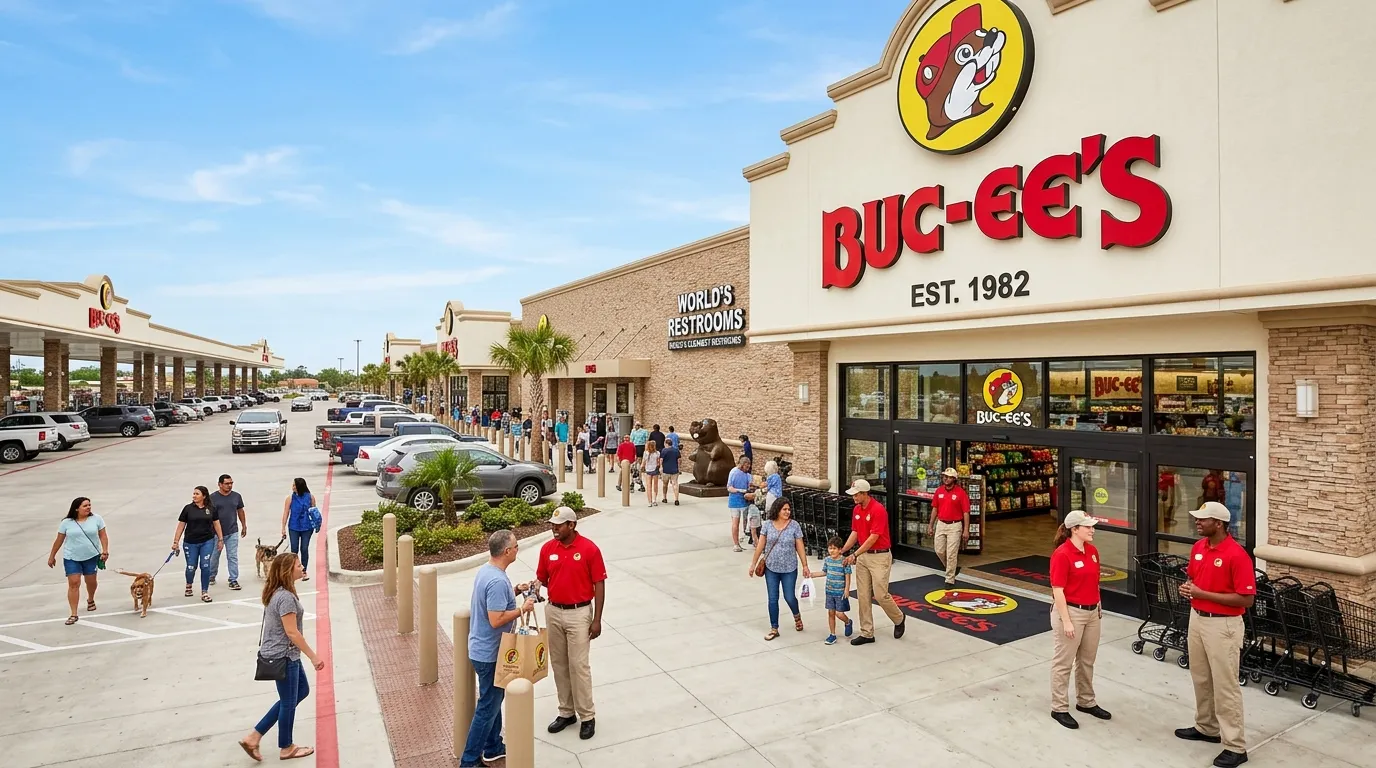
Navigating Buc-ee’s Employment Landscape
Buc-ee’s is famous for its culture, size, and service. Understanding their staffing approach is key for job seekers and industry analysts alike. Explore the multi-faceted aspects of their employment model below.
The Buc-ee’s Staffing Philosophy: Full-Time Commitment
Yes, Buc-ee’s does hire full-time employees extensively. Their business model, centered around massive travel centers that operate 24/7, relies heavily on a dedicated, permanent workforce. Unlike many retailers who mix part-time and seasonal staff, Buc-ee’s emphasizes creating career-oriented positions. They invest significantly in their long term staff to maintain their legendary standards of cleanliness, customer service, and operational efficiency. This approach reduces turnover and builds a cohesive team culture, a stark contrast to the on-demand model used in sectors like on-demand labourers.
Their hiring process is rigorous, seeking individuals who align with their core values of hard work, friendliness, and pride. This focus on permanent staffing ensures consistency, but it also means competition for roles can be fierce. For businesses in other industries seeking similar stability without the lengthy recruitment process, partnering with a specialist agency for your industrial workforce needs can be a strategic alternative.
Key Positions & Career Pathways
Buc-ee’s offers a variety of full-time roles, each with clear expectations and growth potential. Common entry-level positions include Cashier, Kitchen Staff, Car Wash Attendant, and Merchandise Stocker. These roles are almost exclusively full-time, with set schedules and benefits from day one.
- Store Leadership: Assistant Managers and Store Managers are pivotal. These are salaried, full-time positions requiring extensive experience in retail or hospitality management.
- Specialized Operations: Roles in food production (like their famous brisket), facility maintenance, and inventory control are staffed by dedicated full-time experts.
- Corporate Functions: As the company expands, corporate roles in marketing, real estate, and HR also become available, offering career progression beyond the store floor.
The requirement for full-time availability means candidates must be ready for a committed schedule, including nights, weekends, and holidays. This differs from the flexible, project-based work found in event labourer jobs, which cater to different lifestyle needs.
Why People Stay: Benefits & Workplace Culture
Buc-ee’s doesn’t just hire full-time employees; it retains them with a compelling package. Full-time team members are eligible for comprehensive benefits, which often include:
- Competitive hourly wages, often significantly above minimum wage and regional retail averages.
- Health, dental, and vision insurance plans.
- Paid time off and holiday pay.
- 401(k) retirement plans with company matching.
- Three weeks of paid vacation after a certain tenure.
The culture is built on recognition, teamwork, and a shared pride in the brand. This creates a stable, engaged workforce. For companies in construction or logistics that need to build a similarly reliable team but face hiring challenges, exploring labour supply solutions can provide a bridge to achieving consistent operational excellence.
The Buc-ee’s Advantage vs. Flexible Staffing Models
Understanding the pros and cons of different employment models helps businesses and job seekers make informed decisions. Here’s how Buc-ee’s full-time model compares.
Stability & Loyalty
Buc-ee’s full-time roles foster deep employee loyalty and low turnover. This stability ensures consistent customer service and operational knowledge retention. In contrast, flexible staffing excels in adapting to project flux, a key feature of effective construction recruitment labour hire in the UK.
Cost Structure
Investing in full-time employees with benefits represents a significant, fixed cost. This is justified by their high-volume, constant-demand business. For companies with variable workloads, the variable cost model of temporary jobs and agency staffing can offer superior financial agility and control.
Scalability & Speed
Buc-ee’s plans growth meticulously, hiring full-time staff well in advance of new store openings. This methodical approach lacks the speed required for urgent project starts. Industries like events or urgent construction rely on agencies that can provide same-day temp workers to meet immediate demands without delay.
The Application Process: How to Secure a Full-Time Role at Buc-ee’s
Securing a full-time position at Buc-ee’s requires preparation and an understanding of their values. The process typically involves an online application via their corporate careers website, followed by one or more in-person interviews. Hiring managers look for candidates who embody their “Beaver Ethic” – friendly, efficient, and proud of their work.
Pro-Tip for Applicants:
Highlight any experience in fast-paced, customer-centric environments. Reliability and a positive attitude are weighted as heavily as direct experience. For those seeking roles in other high-demand sectors, platforms like our Find Jobs portal list numerous immediate opportunities.
The timeline from application to offer can vary but is generally thorough. For job seekers who need work immediately while pursuing long-term goals, exploring temping agency roles can provide essential income and experience during the search.
Comparative Analysis: Full-Time vs. Flexible Staffing
| Factor | Buc-ee’s Full-Time Model | Flexible Agency Model |
|---|---|---|
| Commitment | Long-term, career-oriented | Project-based or temporary |
| Benefits | Comprehensive (Health, PTO, 401k) | Often limited, may be provided by agency |
| Hiring Speed | Weeks to months | Hours to days (e.g., immediate start roles) |
| Best For | Stable, high-volume retail operations | Industries with peak demands like construction, events, logistics |
Frequently Asked Questions: Does Buc-ee’s Hire Full-Time Employees?
Most positions at Buc-ee’s are hired as full-time from the start, with benefits eligibility often beginning after a short initial waiting period (e.g., 30-90 days). The company’s intent is to invest in long-term staff, so they onboard with the expectation of a lasting career. There is typically a standard company review period to ensure mutual fit, but the role itself is permanent. For businesses needing to fill roles without any probationary uncertainty, a vetted our staff approach from an agency can provide immediate, reliable talent.
Given their 24/7/365 operation, full-time schedules at Buc-ee’s often include a mix of shifts: days, nights, weekends, and holidays. Employees can usually expect a consistent 40-hour workweek, but the specific hours rotate to ensure fair coverage. This demanding schedule is part of the commitment. For individuals seeking more control over their hours, flexible staffing roles, such as those in healthcare staffing or event-based work, might offer a better fit.
The answer depends entirely on your business's nature and goals. If you have a stable, predictable, high-volume operation like Buc-ee’s, investing directly in full-time employees builds culture and loyalty. However, if your workload is project-based, seasonal, or subject to rapid scaling, the agency model is far more efficient and cost-effective. An agency handles recruitment, payroll, and compliance, allowing you to focus on core operations. For instance, securing construction workers for a specific project timeline via an agency eliminates long-term liability while ensuring skilled labour. Many businesses use a hybrid model: a core full-time team supplemented by agency staff for peaks.
Absolutely. Buc-ee’s is known for promoting from within. Dedicated full-time employees who demonstrate the “Beaver Ethic” can advance to team lead, department supervisor, and assistant manager positions. With the company’s aggressive expansion plans, opportunities for store management and even corporate roles are significant for top performers. This internal growth pipeline is a major advantage of their full-time model. For those in the agency staffing world, advancement often means moving into more specialized, higher-paid temporary roles or taking on permanent placements offered by the agency, similar to pathways highlighted in our job seeker resources.
Ready to Build Your Own Reliable Team?
Whether you're inspired by Buc-ee’s model of hiring dedicated full-time employees or need the agility of flexible staffing for your projects, the right strategy is key to your success. For businesses across the UK looking to hire skilled, vetted, and reliable workers quickly, our streamlined platform is your solution.
Discover more about our proven approach and how we guarantee quality with our unique guarantee.
A Case Study in Retention: How Buc-ee’s Full-Time Model Reduces Turnover
While the retail and service industries often grapple with annual turnover rates exceeding 60%, Buc-ee’s reportedly maintains a significantly lower rate. This isn't accidental; it's a direct result of a calculated, full-time-centric staffing strategy.
The Onboarding Investment
New full-time hires undergo extensive training, not just in tasks but in company culture. This initial investment, which can span several days, signals to the employee that they are valued as a long-term asset, not a disposable resource. This contrasts sharply with the abbreviated onboarding often seen in temporary or high-turnover environments.
Wage Premium as a Statement
By offering wages well above regional retail averages, Buc-ee’s directly addresses a primary driver of turnover: compensation. This"efficiency wage" theory suggests that higher pay increases the cost of job loss, encouraging better performance and loyalty, while reducing the financial temptation to leave.
Predictable Scheduling & Life Stability
Despite involving shift work, full-time status provides predictable income and eligibility for benefits like health insurance. This stability allows employees to plan their lives, reducing the financial stress that often leads to seeking other employment. It’s a foundational element often missing from purely flexible gig work.
For a business outside the mega-retail sphere, replicating this exact model may be cost-prohibitive. However, the core principle—treating staff as a capital investment rather than a variable expense—can be adapted. Partnering with a staffing agency for core, long-term temporary-to-permanent roles can be a strategic middle ground, allowing businesses to"test" a candidate's fit before making the full commitment that Buc-ee’s makes upfront.
The Bottom Line: Analyzing the Cost-Benefit of Full-Time Staffing
Buc-ee’s staffing choice is a significant financial strategy. Let's break down the tangible and intangible costs and benefits, providing a framework other businesses can use for their own analysis.
| Cost/Benefit Factor | Impact on Buc-ee's | Consideration for Your Business |
|---|---|---|
| Fixed Labour Cost | High. Salaries and benefits are a major, predictable overhead. | Can your revenue stream support this in slow periods? If not, a temporary staffing model converts fixed cost to variable. |
| Recruitment & Training Sunk Cost | Substantial initial investment per hire. | Lower turnover amortizes this cost over years. High turnover makes it a recurring drain. Agencies absorb this cost for temporary staff. |
| Operational Consistency | Extremely High. Familiar staff ensure brand standards are met reliably. | Critical for customer-facing roles. For back-of-house or project work, consistency can be maintained through agency partners providing vetted, skilled warehouse operatives or tradespeople. |
| Agility & Scalability | Lower. Scaling up requires a lengthy hiring cycle; scaling down is difficult and costly. | If your market is volatile, this is a major risk. Flexible staffing provides a buffer, allowing you to scale labour up or down in line with demand, crucial for sectors like seasonal work. |
The key takeaway is that Buc-ee’s model is a high-risk, high-reward strategy predicated on continuous growth and high volume. It pays off magnificently when execution is perfect. For most small to medium-sized businesses, a hybrid model is often more sustainable: a core of essential full-time employees defining company culture and managing key functions, supplemented by flexible agency staff to handle workload spikes, special projects, or skill-specific tasks without long-term commitment.
How Expansion Plans Shape Hiring: The Buc-ee's Growth Blueprint
Buc-ee’s methodical expansion into new states (like Tennessee, Kentucky, and Colorado) isn't just about real estate; it's a massive, pre-planned human resources operation. Each new travel center requires hiring 200-300 full-time employees before the doors open.
- Leadership Transfer: Experienced managers and trainers from existing stores are often relocated to new locations to seed the culture and ensure operational standards are met from day one.
- Local Hiring Campaigns: Large-scale job fairs and targeted local advertising are launched months in advance to build a pipeline of candidates who can be thoroughly vetted.
- Training Pipeline: New hires for a store may begin training at existing locations, creating a sense of cohort and ensuring they are fully prepared for launch.
This"greenfield" hiring approach is a monumental task that few companies undertake. For a construction firm building that new Buc-ee’s, however, their staffing needs are the opposite—intense and short-term. They wouldn't hire full-time electricians and plumbers for a single project; they would source them through specialized tradesmen agencies, perfectly illustrating how staffing strategy must align with project lifecycle.
The Contingency Factor: What Buc-ee's Doesn't Need (But You Might)
Because of their deep bench of full-time staff, Buc-ee’s has minimal need for last-minute contingency labour. Their model inherently builds in coverage through overlapping full-time shifts. This is a luxury most businesses don't have.
For example, a manufacturing plant facing a sudden large order, or an event company managing a festival, cannot wait for a lengthy full-time hire process. Their contingency plan is the flexible staffing model. The ability to call an agency and secure on-demand labourers within 24 hours is what keeps their operations running and fulfills client commitments. This fundamental difference in risk management is a critical consideration when choosing your own staffing approach.
For Job Seekers: Evaluating a Full-Time Buc-ee's Career Against Alternatives
A job at Buc-ee’s isn't just"a retail job." It's a specific type of commitment. Here’s a deeper dive into the pros and cons from an employee’s viewpoint, compared to the modern world of flexible work.
The"Pro" Column: More Than a Paycheck
-
Structured Advancement: A clear, internal"ladder" provides a visible career path, which is rare in many hourly positions.
-
Community & Culture: The intense, team-oriented environment fosters strong workplace friendships and a shared sense of purpose.
-
Financial Security: Benefits like health insurance and a 401(k) provide long-term security that gig work or many part-time roles cannot.
The"Con" Column: Understanding the Trade-Offs
-
Schedule Rigidity: The requirement to work holidays, nights, and weekends can be a major strain on work-life balance and family time.
-
High-Pressure Environment: The famous standards for cleanliness and speed mean the pace is relentless, which isn't suitable for everyone.
-
Geographic Limitation: Career growth is tied to physical store locations. For those not near a Buc-ee’s or unwilling to relocate, opportunities are inaccessible.
The alternative for many is the flexible staffing world, which offers greater schedule autonomy, variety of work environments (from event staffing to warehouse roles), and the ability to quickly build a diverse skillset. The trade-off is less predictability and often fewer long-term benefits. The"right" choice depends entirely on an individual's current life stage, financial needs, and career aspirations.