What Should I Consider When Hiring A Painting Contractor For A High-rise Building?
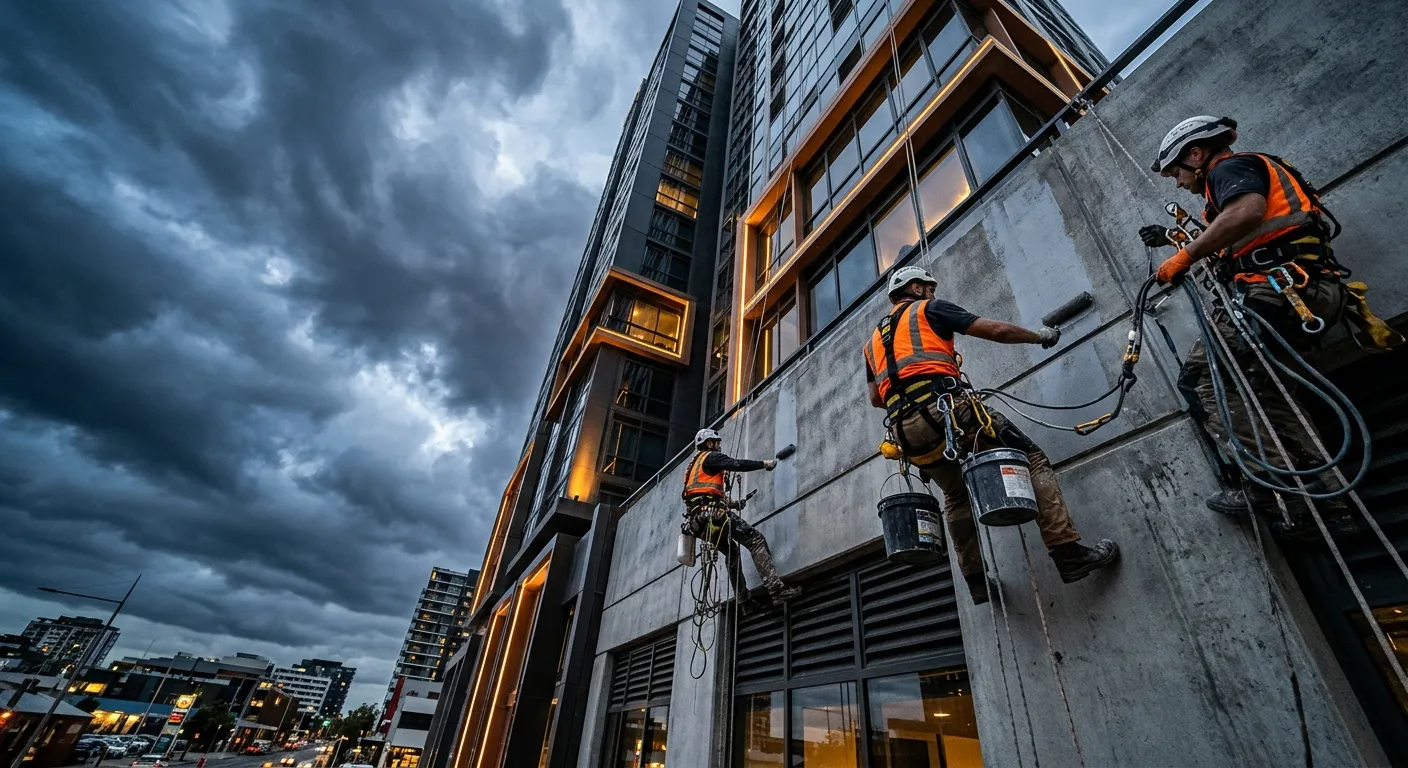
SEO Title: What Should I Consider When Hiring A Painting Contractor For A High-rise Building? Expert Checklist for Safe, Durable Facade Painting. SEO Description: Learn what should I consider when hiring a painting contractor for a high-rise building, including access safety, insurance, substrate preparation, coatings, project management, resident disruption, and reliable labour support.
Hiring a painting contractor for a high-rise building is a safety-critical procurement decision. The contractor must manage vertical access, weather exposure, substrate repair, coating adhesion, public protection, and tenant communication. A poor choice can lead to peeling paint, water ingress, rope-access incidents, project delays, or costly rework.
This guide explains what should I consider when hiring a painting contractor for a high-rise building? by breaking the decision into practical categories: safety, engineering, coatings, logistics, contracts, and workforce support. Whether you manage an apartment tower, office block, hotel, hospital, or mixed-use development, the goal is to hire a contractor that can deliver a durable, compliant, and low-disruption facade painting programme.
Interactive Tabbed Overview: Four Categories of High-rise Painting Due Diligence
Use the tabs below to compare the four areas that matter most when hiring a painting contractor for a high-rise building.
Safety and Access Control
The first question is not price. It is whether the contractor can work at height without creating risk. Look for documented rope-access or cradle procedures, rescue plans, harness inspections, and competent supervision. The contractor should prove insurance, safety certifications, and prior experience on similar towers. If the team cannot explain how they will protect workers, residents, pedestrians, and property, eliminate them from the shortlist.
Surface Preparation and Coating Quality
High-rise facades face thermal movement, wind-driven rain, UV exposure, salt spray, pollution, and repeated cleaning. The contractor should inspect the substrate, identify moisture or cracking, and specify coatings for the building material. Ask for technical data sheets, warranty terms, and mock-up results. A low price with poor preparation usually costs more within three to five years.
Logistics and Occupant Disruption
Painting a building while people live, work, or visit requires careful sequencing. The contractor must manage noise, odour, dust, water runoff, lift access, parking, and emergency routes. A written programme should show which elevations are painted each week, how residents are notified, and how public spaces are protected. Poor logistics can create complaints, injuries, or stoppages.
Contract Clarity and Workforce Support
A strong contract should define the scope, exclusions, access method, surface repairs, coating system, inspections, payment milestones, defect liability, and variation process. It should also state who provides labourers, cleaners, traffic marshalls, and security. If the painting contractor needs temporary support, reliable workforce partners can help keep the programme on schedule.
Key Features to Evaluate Before You Sign
Insurance and Compliance
Request public liability, employers liability, and height-work insurance certificates. Check validity, limits, and named insured. Verify safety certifications and prior high-rise references.
Access Engineering
Confirm the proposed access method: rope access, cradle, mast climber, or mobile elevating work platform. The plan must match building height, facade profile, and ground conditions.
Surface Preparation
Look for power washing, crack filling, rust treatment, spalling repair, and adhesion testing. Preparation is the main factor behind coating lifespan.
Coating Selection
Ask for elastomeric, acrylic, silicone, masonry, or anti-graffiti systems with warranty support. Colour retention, breathability, and resistance to staining matter.
Project Supervision
A competent supervisor should control daily toolbox talks, permits, weather monitoring, and quality checks. Ask how often inspections occur and who signs them off.
Labour and Housekeeping
Determine whether painters, helpers, cleaners, and traffic marshalls are included. A clean, organised site reduces slip risks and improves public perception.
Safety, Compliance, and Access Engineering Must Come First
When you ask what should I consider when hiring a painting contractor for a high-rise building?, the answer starts with life safety. A facade painter must manage gravity, weather, and human behaviour. A contractor that cannot demonstrate disciplined safety systems should not be shortlisted, regardless of price.
Verify Insurance, Certifications, and Method Statements
Ask for current insurance certificates, safety training cards, and written method statements. The method statement should explain how workers are attached, how tools are tethered, how materials are lifted, and how emergencies are handled. For rope-access teams, look for recognised qualifications and inspection records for ropes, harnesses, and anchors. If a contractor uses a cradle or mast climber, demand evidence of thorough examinations and operator competence. Do not accept vague assurances; ask for dated documentation and named personnel.
Demand a Written Rescue and Traffic Management Plan
A rescue plan is not optional. If a worker becomes injured, suspended, or stranded, the team must have equipment and trained personnel to recover them quickly. The plan should also address pedestrians, vehicles, and building occupants. Sidewalk closures, hoarding, signage, and barriers should be specified. Where paint trucks or cradles affect public routes, a trained Traffic Marshall may be required to keep the site safe and compliant.
Assess Crew Competence and Supervision
Ask how many painters are direct employees, how many are subcontractors, and how long the crew has worked together. High-rise painting requires calm coordination. A strong contractor uses daily briefings, weather monitoring, and clear communication between ground teams and facade teams. If the contractor cannot name a site supervisor or explain escalation procedures, treat that as a warning sign.
Pro Tip
Request a site-specific safety demonstration before signing. Watch how the team sets up anchors, checks equipment, and controls the landing zone. Real behaviour reveals more than paperwork.
Surface Preparation and Coating Specification Decide Long-Term Value
Price alone can be misleading. A cheap quote may skip repairs, use low-quality paint, or ignore moisture. The best contractor treats coating as a building protection system, not just colour.
Inspect the Substrate Before Pricing
Concrete, render, brick, steel, and EIFS each fail differently. The contractor should inspect for spalling, cracks, rust staining, delamination, efflorescence, and trapped moisture. A proper survey may include tapping tests, moisture readings, or small trial openings. If repairs are excluded, the final cost can rise sharply after access is established.
Specify Coatings for Wind, UV, Moisture, and Cleaning
High-rise buildings are exposed to harsher conditions than low-rise properties. Ask for coating technical data sheets, warranty terms, and expected service life. Elastomeric coatings can bridge small cracks, while silicone or acrylic systems may offer durability and breathability. Anti-graffiti or low-surface-energy finishes can reduce cleaning costs in urban areas. The coating system should suit the substrate, climate, and maintenance plan.
Use Mock-ups and Hold Points
Before full application, require a mock-up on a visible section. The mock-up should include preparation, primer, and topcoat. Inspect it after drying and cleaning. Then set hold points: substrate approval, primer approval, first coat approval, and final inspection. These checkpoints reduce disputes and help the client see quality early.
Logistics, Resident Safety, and Disruption Control
High-rise painting happens in a live environment. Residents, tenants, staff, and visitors may be affected by noise, odour, water, and restricted access. The contractor’s programme should minimise disruption while maintaining safety.
Manage Access, Noise, Odour, and Security
Ask how the contractor will sequence elevations, protect windows, control runoff, and notify occupants. Solvent-based coatings may require ventilation and resident notices. Lifting operations may need temporary road closures. Security should protect materials, access points, and occupied floors. A good contractor communicates clearly, documents notifications, and responds quickly to complaints.
Coordinate Temporary Labour and Cleaning
A facade painting programme often requires more than painters. You may need labourers to install protective sheeting, carry materials, remove waste, and support access teams. If you are searching for Find A Labourer Near Me to support masking, hoarding, or clean-down, consider arranging vetted temporary workers through Construction Staffing & Labour Hire. For short-notice gaps, an On Demand Labourer can help maintain productivity. A trained Site Cleaner can reduce slip hazards and keep common areas presentable. Our Guide to Hiring Reliable Construction Labour explains how to screen workers, confirm documentation, and avoid last-minute absences.
Expert Insight
Disruption is often the biggest client complaint, not paint quality. A contractor with strong logistics and communication skills usually delivers a smoother project than a cheaper team with poor site management.
Contracts, Payment Milestones, and Performance Guarantees
Clear commercial terms protect both parties. The contract should link payment to verified progress, not simply time on site.
Define Scope, Variations, and Defect Liability
Specify exactly what is included: cleaning, repairs, coatings, access, protection, supervision, and reinstatement. Define exclusions too. A variation clause should state how additional repairs are priced and approved. Include a defect liability period and a clear response process. For high-rise work, access costs can make small defects expensive to return to, so inspection records matter.
Align Payment with Milestones and Inspections
Use milestone payments: mobilisation, substrate approval, primer completion, first coat, final coat, and handover. Retain a small percentage until defects are corrected. This keeps the contractor focused on quality and completion. Ask for a realistic programme and penalty or bonus clauses if time is critical.
Actionable Advice
Require a snag list at handover. The contractor should close defects before final payment is released. This simple step protects the building owner and encourages a professional finish.
Actionable Pre-Award Checklist
Documents to Request
- Insurance certificates
- Access method statement
- Rescue plan
- Training records
- Equipment inspections
- Client references
Site Questions
- Who supervises daily?
- How are residents notified?
- What is the weather rule?
- How are tools tethered?
- Where is material stored?
- How is waste removed?
Quality Controls
- Mock-up approval
- Moisture checks
- Primer hold point
- Coating thickness records
- Defect snag list
- Final inspection sign-off
About This High-rise Painting Guide
This guide is written for building owners, facilities managers, resident associations, project consultants, and property developers. It focuses on practical procurement questions rather than generic advice. The aim is to help you compare painting contractors using evidence: safety records, access plans, coating data, logistics programmes, and workforce support.
High-rise painting succeeds when the contractor controls risk, prepares surfaces properly, and communicates with the people affected. A strong contractor also knows when to bring in reliable temporary labour for preparation, protection, and clean-down. The right support team can keep a project moving even when weather, deliveries, or site conditions change.
FAQ: What Should I Consider When Hiring A Painting Contractor For A High-rise Building?
Hire Reliable Painting Support Labour Today
If your high-rise painting project needs vetted general labourers, site cleaners, or short-notice support, post your job and get matched with dependable workers. Whether you are trying to Find A Labourer Near Me for masking, hoarding, material handling, or clean-down, a fast staffing request can keep your programme moving.
Hire Staff Today