Multi-Drop Driver Jobs in Oldham OL1 | Immediate Start & Flexible Shifts
 " loading="eager">
Are you seeking a dynamic, hands-on role that offers independence and the satisfaction of a job well done? Multi-drop driver positions in the OL1 postcode area are in high demand, providing a crucial link in the supply chain for local businesses and residents alike. This comprehensive guide delves into everything you need to know about securing and thriving in these roles, from the day-to-day responsibilities and required skills to the top employers and career progression paths available right here in Oldham.
A Day in the Life: The Multi-Drop Driver Role Demystified
Beyond simply driving from A to B, a multi-drop driver is a logistics professional, a customer service representative, and a problem-solver. Your day typically starts early at a local depot in or around Oldham, where you'll load your vehicle.
Core Responsibilities:
- Pre-Shift Vehicle Checks (Defect Reporting): Ensuring the van is roadworthy, checking tyres, lights, oil, and fuel.
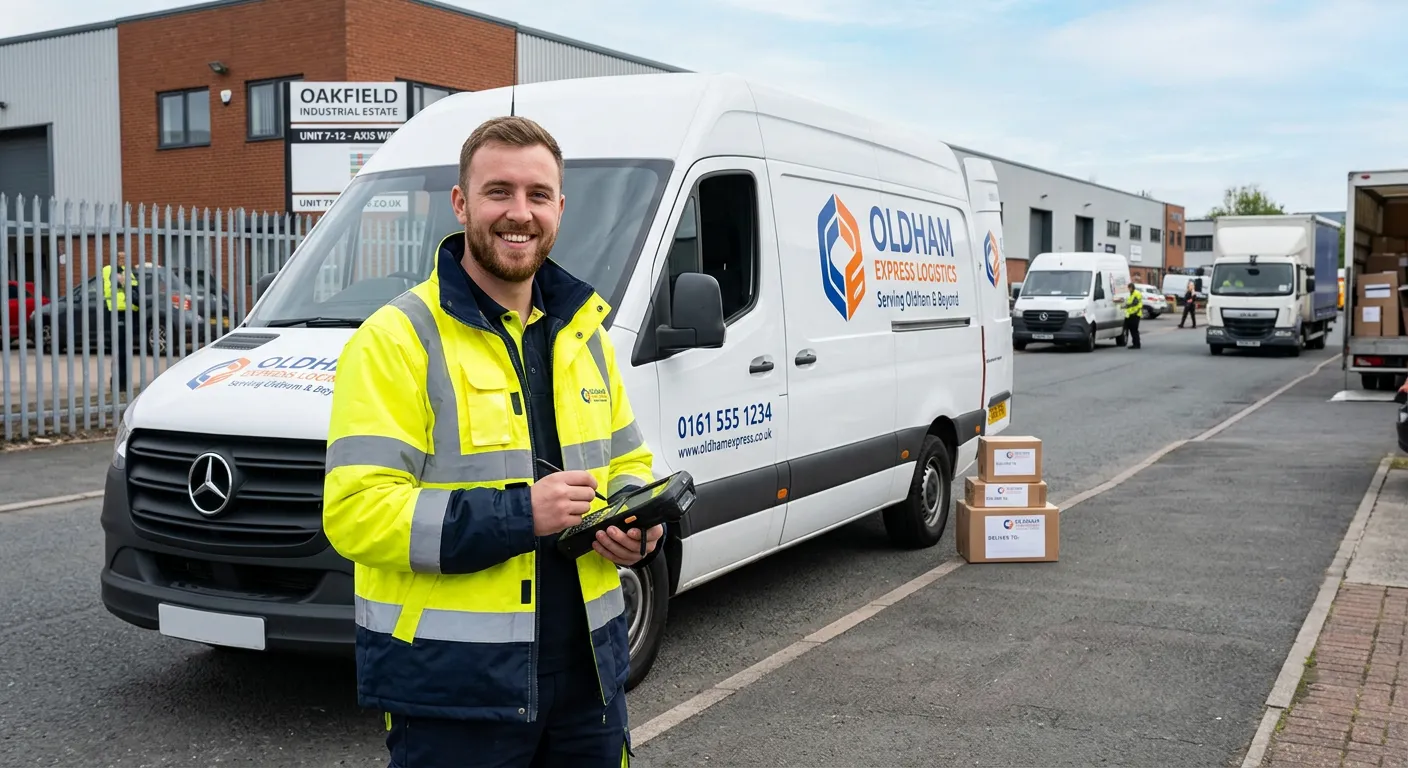
- Intelligent Loading: Strategically organizing parcels by delivery route sequence using a handheld terminal (PDA) for maximum efficiency.
- Navigation & Time Management: Following optimized routes through Oldham's diverse areas—from the town centre to Hollinwood, Failsworth, and Royton—while adhering to tight delivery windows.
- Safe Delivery & Customer Interaction: Handling everything from small parcels to heavy goods, obtaining proof of delivery (POD), and providing a positive, professional face of the company.
- Returns & Documentation: Processing undelivered items and accurately completing all digital paperwork throughout the shift.
Oldham-Specific Challenge & Solution:
A common challenge in OL1 is navigating the mix of bustling high streets, residential crescents, and industrial estates with varying access times. An experienced driver knows that planning for the Mumps area during school run times requires alternative routing, and that certain industrial units on Greengate Street have specific loading bay hours. This local knowledge is invaluable and develops quickly on the job.
What You Need to Succeed: Skills, Licences, and Mindset
While some roles offer training, having the right foundation makes you a standout candidate. Here’s a breakdown of hard requirements and soft skills.
✅ Mandatory Requirements
- Full UK Driving Licence: A clean licence is typically essential. Some insurers allow up to 6 points for minor offences, but this varies by employer.
- Right to Work in the UK: Required documentation must be provided.
- Good Physical Fitness: Ability to manually handle parcels, often weighing up to 25kg.
🌟 Highly Valued Assets
- Category C1 Licence: Allows you to drive vehicles up to 7.5 tonnes, opening doors to higher-paying roles with larger vehicles.
- Digital Literacy: Comfort using PDAs, routing apps, and in-cab technology.
- Local Knowledge: Intimate familiarity with OL1 and Greater Manchester roads and traffic patterns.
💡 Key Soft Skills
- Reliability & Punctuality: The entire delivery chain depends on you.
- Problem-Solving: Addressing issues like inaccessible addresses, recipient not home, or road closures in real-time.
- Customer Service: A friendly, professional demeanour enhances company reputation and reduces complaints.
Who's Hiring? Landscape of Employers in Oldham
The OL1 area hosts a diverse range of employers, from global courier giants to local family-run distributors. Understanding the differences can help you find the best fit for your lifestyle and career goals.
| Employer Type | Examples (OL1 Presence) | Typical Work Pattern | Pros & Cons |
|---|---|---|---|
| National Parcel Carriers | Royal Mail (Oldham Delivery Office), DPD, UPS, Hermes/Evri, Amazon Logistics | Fixed shifts, often early starts (6-7am). Full-time, part-time, and seasonal contracts. | Pros: Brand recognition, structured training, potential career paths. Cons: Can be highly target-driven, less route autonomy. |
| Local & Regional Couriers | Local independent courier firms servicing Greater Manchester, same-day delivery services. | Can be more variable. May include on-call or ad-hoc work alongside scheduled rounds. | Pros: Often more flexibility, closer-knit team, diverse delivery types. Cons: Less job security, benefits may vary. |
| Retail & Wholesale Distribution | Supermarket home delivery (e.g., Tesco, Asda), cash & carry wholesalers, restaurant suppliers. | Shift patterns including evenings and weekends. Focus on multi-temperature or bulky goods. | Pros: Regular customers, potential for tips (retail), less parcel volume pressure. Cons: Can involve heavy lifting, specific handling requirements (e.g., chilled). |
Case Study: From Zero to Hero in Oldham
Meet Sarah: A former retail assistant from Royton, Sarah obtained her C1 licence through a local training scheme. She started as an agency driver for a national carrier operating out of the Oldham depot. Within 18 months, her reliability and excellent customer feedback led to a permanent position. She now mentors new drivers and has a regular, efficient round she's optimized herself.
"The key is consistency and communication. Learning the quirks of your round—like which businesses prefer early drops or where to safely park on narrow streets in Coldhurst—makes the day smoother. The independence is fantastic, and seeing the same friendly faces on your round builds a real sense of community."
Earnings Potential & The Flexibility Factor
Compensation is more than just an hourly rate. It's a package that includes flexibility, benefits, and opportunities for extra income.
Pay Structures Explained
-
1Hourly Rate: The most common, especially for permanent roles. In OL1, rates typically range from £10.50 to £13.50 per hour for standard van driving, often rising for C1 work or night shifts.
-
2Per-Parcel / Drop Rate: Common with self-employed or subcontractor roles. Your income depends on the number of successful deliveries. This can be lucrative for fast, efficient drivers but carries more risk.
-
3Salary + Bonus: Some employers offer a base salary with performance bonuses for high delivery success rates, low damage claims, or excellent customer feedback.
The Real Value: Flexibility and Benefits
🕒 Shift Patterns Available
- Early Mornings (4am - 12pm): Ideal for those who prefer afternoons free.
- Twilight Shifts (4pm - 10pm): Suits second job seekers or those with daytime commitments.
- Weekend Specialist Roles: Often pay a premium rate.
- Ad-hoc / Agency Work: Maximum control over your schedule.
📈 Common Benefits Package
- Paid Holiday: Statutory for permanent roles; may accrue for agency.
- Pension Scheme: Auto-enrolment applies to eligible employees.
- Uniform & PPE: High-vis jackets, safety shoes often provided.
- Discounts & Perks: Retail discounts, cycle-to-work schemes.
- Training & Upskilling: Paid for CPC modules, first aid, or specialist handling courses.
Your Roadmap to Landing the Job: Application to Offer
Step-by-Step Application Process
Polish Your CV for Driving Roles
Highlight safety, reliability, and customer service. List your licence categories clearly. Include any relevant experience, even if not directly in delivery—roles involving logistics, stock handling, or public-facing work are valuable. Quantify achievements:"Consistently achieved 99.8% on-time delivery rate."
Where to Find OL1 Opportunities
- Local Job Boards: Oldham Council job site, GM Jobs.
- National Platforms: Indeed, Reed, Totaljobs. Use filters for"Oldham (OL1)" and"Driver".
- Agencies Specialising in Driving: Many agencies have dedicated driving divisions with local contacts.
- Direct Approach: Identify depots in Oldham (e.g., on Shaw Road Industrial Estate, Greengate Street) and check their corporate careers pages.
The Interview & Assessment
Be prepared for a practical assessment. This may involve a short driving test, often in a van, to assess your handling, mirror use, and safety awareness. The interview will focus on situational questions: "Describe a time you dealt with a difficult customer." or "How would you handle a road closure on your planned route?" Demonstrate your problem-solving and customer focus.
⚠️ Red Flags to Watch For
While most employers are reputable, be cautious of: adverts with unusually high earnings promises for minimal work; requests for large upfront payments for"training" or"uniform"; companies with no physical depot address or unclear contract terms. Always research the company name online and check reviews from current or former employees.
Beyond the Round: Your Career Pathway
A multi-drop driver role is not a dead-end job. It's a springboard into a stable and growing logistics sector, especially with Oldham's continued development and its strategic position near major motorways (M60, M62).
Short-Term (1-3 Years)
- Obtain C1 or even Class 2 (HGV) licence.
- Become a"go-to" driver for complex rounds.
- Move from agency to permanent position.
Medium-Term (3-5 Years)
- Step up to Lead Driver or Mentor role.
- Move into Transport Planner or Dispatch office-based roles.
- Specialise in HGV, ADR (hazardous goods), or refrigerated transport.
Long-Term (5+ Years)
- Transport Manager (requires CPC in National/International Road Haulage).
- Own-Van Owner-Driver or start a small courier business.
- Health & Safety or Training roles within the logistics sector.
Start Your Journey on the Road Today
Multi-drop driver jobs in Oldham OL1 offer more than just a paycheck. They provide structure, independence, and a tangible sense of achievement. With the growth of e-commerce and local delivery networks, skilled drivers are more essential than ever.
Ready to take the next step? Update your CV, check your licence, and begin your search. Your new career on the road around Oldham awaits.
Mastering the OL1 Round: Practical Tips for Oldham Drivers
Success as a multi-drop driver in Oldham hinges on adapting to its unique urban fabric. Beyond the satnav, developing a mental map of logistical nuances is what separates a good driver from a great one. This section provides actionable, localised advice to boost your efficiency and reduce daily stress.
Strategic Parking & Access Hotspots
Knowing where to safely and legally park for a quick drop is half the battle. Oldham’s mix of Victorian terraces, modern estates, and bustling commercial zones each present different challenges.
- Town Centre (OL1 1): Use designated loading bays on Union Street and Rock Street but be strict with time limits; wardens are active. For shorter stops, some drivers report the retail service roads behind the Spindles Shopping Centre offer brief respite during off-peak times.
- Residential Areas (e.g., Werneth, Coldhurst): Narrow streets are common. Identify key “through roads” that can act as a temporary parking hub while you complete 3-4 deliveries on foot. Always avoid blocking bin collections or school routes.
- Industrial Estates (Shaw Road, Greengate): While bays are plentiful, during peak despatch times (8am-9:30am), space can be tight. Familiarise yourself with secondary entrances or overflow areas specific to each estate.
Weather & Seasonal Considerations
Greater Manchester weather is a factor. Proactive planning for seasonal shifts prevents delays and protects both you and the parcels.
- Winter (Ice & Dark Evenings): Routes through hilly parts of Glodwick or near Alexandra Park can become treacherous. Factor in extra time for cautious driving. A powerful torch or headlamp is essential for reading house numbers in poorly lit terraces during twilight shifts.
- Summer & School Holidays: While traffic may ease slightly, increased pedestrian activity, especially in parks and near Oldham Leisure Centre, requires heightened awareness. Residential deliveries are more likely to find people at home.
- Rain: Have a system for keeping paperwork and handheld scanners dry. A supply of heavy-duty poly bags in the cab can protect parcels during the dash from van to door.
Pro Driver Kit Tip:
Experienced OL1 drivers recommend a personal “weather pack”: waterproof over-trousers, grippy gloves for handling wet cages and parcels, and a sturdy, waterproof clipboard for any physical paperwork.
Understanding the Bottom Line: Expenses & Tax Implications
Whether you're employed or self-employed, understanding the associated costs and your tax responsibilities is crucial for accurately assessing your take-home pay. This is often the most overlooked aspect of starting out.
Potential Costs to Consider
£For All Drivers
- Commuting to Depot: Fuel or public transport costs to reach the Oldham depot at the start of your shift.
- Footwear & Clothing: While PPE is often provided, many drivers invest in their own premium safety boots for comfort and extra pairs of suitable trousers.
- Food & Drink: Purchasing meals and drinks on the road adds up. Most drivers pack a lunch and a large refillable water bottle.
- Driver CPC Training: For professional drivers (C1 and above), 35 hours of periodic training every 5 years is a legal requirement, which you may need to fund if not covered by your employer.
££For Self-Employed/Subcontractors
- Vehicle Insurance: Goods in transit (GIT) and public liability insurance are essential and can be significant.
- Fuel, Maintenance & Repairs: The full running cost of the van, including servicing, tyres, and unexpected breakdowns.
- Accountant Fees: For managing your Self-Assessment tax return and claiming allowable expenses.
- Parking & Congestion Charges: Any incurred costs while working, which may be claimable.
Tax Essentials: Employed vs. Self-Employed
Your tax status dramatically affects your financial administration.
PAYE (Employee)
Tax and National Insurance are deducted automatically from your wages by your employer. You have little paperwork but less scope to claim expenses beyond a flat rate for uniform maintenance.
Self-Employed / Contractor
You are responsible for registering with HMRC, filing an annual Self-Assessment return, and paying Income Tax and Class 2 & 4 National Insurance. The key advantage is the ability to claim allowable business expenses (like a portion of fuel, insurance, phone bills) to reduce your taxable profit.
Important: The rules around IR35 (off-payroll working) can affect contractors. If HMRC deems you effectively an employee, you may have to pay tax like one. Seek independent financial advice to understand your status.
Staying Safe, Healthy, and Motivated
A sustainable career behind the wheel requires attention to physical health, mental wellbeing, and constant safety vigilance. The most successful drivers treat their wellbeing as a professional priority.
Physical Health & Manual Handling
Repetitive lifting, twisting, and long periods of driving take a toll. Implementing correct techniques is non-negotiable.
- Lift with Your Legs, Not Your Back: Always bend at the knees, keep the load close to your body, and avoid twisting while carrying. Use a hand truck for multiple heavy parcels.
- Van Step Awareness: The step in and out of a van is a common site for slips and strains. Use the handholds, and ensure your footwear is clean and dry.
- Combatting Sedentary Time: On longer drives between clusters, perform subtle stretches at red lights: ankle rotations, shoulder rolls, and gentle neck stretches.
Mental Wellbeing & Driver Fatigue
The role can be isolating and mentally demanding. Managing stress and maintaining focus are key skills.
- Plan Your Micro-Breaks: Use your natural pauses (waiting at a depot, between drops) to take a 30-second mental reset. Look away from the road, take deep breaths.
- Stay Hydrated & Fuelled: Dehydration and low blood sugar significantly impact concentration and mood.
- Manage Customer Interactions: Not every customer will be pleasant. Develop a mental script to de-escalate situations professionally without taking criticism personally.
- Know the Signs of Fatigue: Yawning repeatedly, drifting in your lane, missing junctions, or feeling irritable. If you experience these, it’s time for a proper break in a safe location.
Safety First: The Golden Rules
1. Walk, Don't Run: No delivery is worth a slip, trip, or fall. 2. Secure Your Load, Every Time: An unsecured parcel becomes a dangerous projectile in a sudden stop. 3. Be Seen: Always wear high-vis, especially in poorly lit yards or on residential streets in bad weather.