Mastering Facilities Management Labour Supply: Your Strategic Guide to a Resilient Workforce
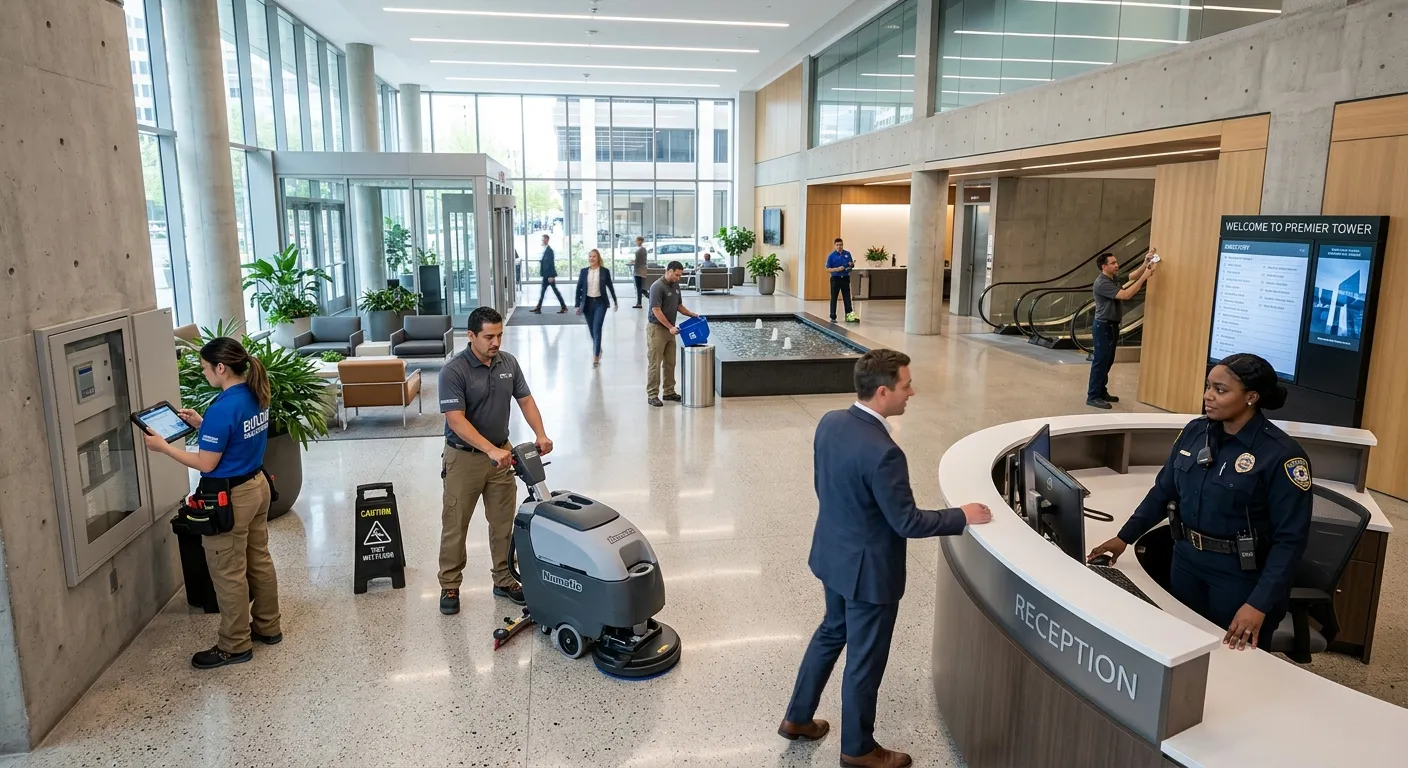
Navigate the complexities of hiring, scaling, and retaining the skilled personnel essential for maintaining world-class building operations, security, and efficiency.
Secure Your Facilities Management Staff TodayThe Backbone of Operational Excellence
Facilities Management (FM) Labour Supply is the critical engine that powers the daily functionality, safety, and sustainability of every commercial, industrial, and public asset. It encompasses a vast ecosystem of roles—from janitorial staff and HVAC technicians to security personnel and groundskeepers. In today's volatile market, characterized by skill shortages and fluctuating demand, a strategic approach to Facilities Management Labour Supply is not an option; it's a fundamental business imperative.
Whether you're managing a portfolio of London office towers or a single manufacturing plant, the challenge remains: how to access a compliant, skilled, and flexible workforce precisely when needed. This comprehensive guide delves into the strategies, challenges, and solutions for building a resilient FM labour strategy, with a particular focus on navigating the competitive landscape through specialised London Construction Agencies that often bridge the gap between construction completion and ongoing facility maintenance.
Pro-Tip: The Flexibility Imperative
Modern FM requires agility. A rigid, fully permanent workforce can lead to crippling overheads during quiet periods and insufficient coverage during peak demands like seasonal HVAC load changes or emergency repairs. Integrating a core permanent team with a flexible, on-demand labour pool is the hallmark of a cost-effective and responsive operation.
This model is perfectly exemplified by services like our On Demand Labourer solutions, which provide immediate access to vetted professionals for short-term projects, cover sudden absences, or manage unexpected workload surges.
Core Pillars of FM Labour Supply
Hard FM Services: The Technical Core
This pillar involves the physical infrastructure and assets of a building. Labour needs are highly technical and often require specific certifications.
- M&E (Mechanical & Electrical) Engineers
- HVAC Technicians
- Plumbers & Pipefitters
- Carpenters & Fabricators
Sourcing these skills reliably often means partnering with agencies that have deep roots in technical recruitment. For instance, securing a qualified Forklift Operator for warehouse maintenance, or a Traffic Marshall for managing deliveries during ongoing site works, requires access to a pre-vetted, certified talent pool.
Soft FM Services: The Human Experience
These services directly impact occupant well-being, satisfaction, and productivity. Labour is more people-focused but equally critical.
- Cleaning & Janitorial Staff
- Security & Concierge
- Catering & Hospitality
- Grounds & Landscape Maintenance
Scale and consistency are key. A professional Site Cleaner ensures a safe and welcoming environment, while reliable event staff can be sourced for building functions. Discover flexible options for such roles through resources like event staffing solutions.
Specialist & Compliance Roles
This evolving area addresses regulatory demands, sustainability, and technology integration.
- Fire Safety Officers & Asbestos Surveyors
- Energy Management Consultants
- BMS (Building Management System) Engineers
- Waste Management & Recycling Coordinators
Compliance is non-negotiable. Specialist labour supply must guarantee that personnel hold current, valid certifications. This rigorous vetting is a cornerstone of our guarantee and is equally critical in adjacent sectors like Healthcare Staffing.
Strategic Benefits of Optimised FM Labour Supply
Mitigated Risk & Guaranteed Compliance
A professional labour supplier assumes employer liability, ensures all workers hold necessary certifications (CSCS, SFSP, Gas Safe, etc.), and provides validated right-to-work documentation. This transforms a major operational risk into a managed service.
Significant Cost Control & Predictability
Convert fixed salaries and overheads (pension, NI, sick pay) into variable operational expenditure. You pay only for labour hours worked, with transparent pricing. Avoid the hidden costs of recruitment advertising, bad hires, and idle time.
Operational Agility & Scalability
React instantly to changing demands. Scale your team up for major projects, deep cleans, or event support, and scale down during quieter periods without HR complexities. This agility is vital in dynamic markets served by top London Construction Agencies.
Access to Specialised Talent & Expertise
Tap into a vast network of pre-vetted specialists you wouldn't typically recruit for directly. Need a certified Transport Planner for a logistics hub redesign, or a Construction Worker for a tenant fit-out? A specialist agency provides immediate access.
Focus on Core Business Objectives
Free your management team from the time-consuming cycles of recruiting, onboarding, payroll, and performance management for temporary or seasonal staff. Redirect that energy towards strategic facility optimisation and client satisfaction.
Enhanced Service Quality & Consistency
Professional agencies have performance management systems and quality benchmarks. Workers are motivated to perform well to secure future assignments, leading to higher standards of work compared to a disengaged temporary hire.
Navigating the London Facilities Management Labour Market
London presents a unique microcosm of FM challenges and opportunities. The density of high-value assets, stringent regulations, and fierce competition for talent make the capital's Facilities Management Labour Supply landscape particularly complex.
Key challenges include:
- Intense Competition: Every major FM service provider and corporate occupier is vying for the same pool of skilled technicians, cleaners, and security staff.
- Geographic & Commute Pressures: Labour must be sourced from within feasible commuting distance to central sites, impacting availability and cost.
- Premium Wage Expectations: The cost of living in London dictates higher wage demands across all FM roles.
In this environment, partnering with established London Construction Agencies that have evolved into full-service FM labour providers is a strategic advantage. They possess the local networks, understanding of London-specific regulations (like the London Lorry Control Scheme), and the operational speed required. For immediate needs, explore immediate labour solutions in Greater London.
Video Insight: The London Labour Hustle
Gain a ground-level perspective on the realities of sourcing and managing flexible labour in the capital.
Discover how a dedicated Temping Agency in London can streamline this complex process.
Implementing a Winning FM Labour Strategy
Step 1: Audit & Forecast Your Labour Needs
Begin by conducting a thorough audit of your current FM workforce. Map roles against:
- Core vs. Flexible: Which roles are essential permanent positions, and which can be variable?
- Skill Gaps: Identify specialised skills you lack internally (e.g., BMS programming, fire door inspection).
- Demand Fluctuations: Chart seasonal peaks (winter HVAC, summer grounds) and project-based surges.
This forecast becomes your blueprint for engaging with a labour supply partner.
Step 2: Select the Right Labour Supply Partner
Not all agencies are equal. Look for partners with:
- Proven FM & Construction Expertise: They should understand the specific language and requirements of facility management. Review their industry experience.
- Robust Vetting & Compliance Processes: Insist on seeing their checks for certifications, right-to-work, and references.
- Technological Capability: Can they provide real-time timesheets, digital compliance portals, and efficient booking systems like our staff booking platform?
- Geographic Coverage: For multi-site portfolios, ensure they can support all your locations.
Pro-Tip: Build a Hybrid Workforce Model
The most resilient model combines a core, permanent in-house team responsible for daily operations and asset familiarity with a flexible, agency-supplied pool for peak demands, specialist tasks, and cover. This balances institutional knowledge with financial and operational flexibility.
This approach is used successfully across sectors, from the Industrial Workforce to healthcare, ensuring continuity and expertise while managing costs.
Facilities Management Labour Supply FAQ
What's the main difference between FM labour supply and general recruitment?
FM labour supply is heavily focused on operational continuity, compliance, and flexibility. While general recruitment fills permanent vacancies, FM supply often deals with temporary, seasonal, or project-based roles requiring specific technical certifications (Gas Safe, CSCS, IPAF, etc.). The emphasis is on speed, vetting for site safety, and providing a managed service that includes payroll and liability, not just candidate sourcing.
For a deeper look into specialised recruitment, explore our Construction Labour Hire Recruitment page.
How quickly can I get staff for an emergency FM issue?
Response times vary by agency and specialty. Leading providers specialise in urgent placements. For example, some services guarantee same-day or next-day placements for critical roles like cleaners after a flood or electricians for a power failure. This capability is a key differentiator for top-tier London Construction Agencies operating in the FM space.
We detail our rapid response capabilities in our guide to Same Day Temp Workers.
Who manages the payroll, insurance, and compliance for temporary FM workers?
In a genuine labour supply/contractor arrangement, the supplying agency is the legal employer. They handle all payroll (including PAYE, National Insurance), employer's liability insurance (often up to £10 million), pension auto-enrolment, and ensure all compliance documentation is current. You receive a single, consolidated invoice for the hours worked. This transfers significant administrative burden and legal risk away from your organisation.
Can temporary FM staff transition to permanent roles?
Absolutely. This"temp-to-perm" pathway is highly beneficial for both parties. It allows you to evaluate a worker's skills, attitude, and cultural fit in a real-world setting before making a permanent hiring decision. It de-risks the permanent recruitment process. Many agencies, including ours, facilitate these transitions with clear terms.
This is a common route in many sectors, much like finding labourer jobs that lead to permanent positions.
Optimise Your Facilities Management Labour Supply Today
Stop struggling with staffing gaps, compliance headaches, and unpredictable costs. Partner with a specialist who understands the intricate demands of modern facilities management and the robust supply chains of the construction sector.
Explore more about our comprehensive services and our unique approach to workforce solutions.
Case Study: Managing Seasonal Surge for a Retail Portfolio
A national FM contractor managing a portfolio of high-street retail outlets faced a recurring annual challenge: a 300% increase in cleaning and minor maintenance demand during the Black Friday to Christmas period. Their permanent team was insufficient, and traditional hiring was too slow and fraught with compliance risks for short-term roles.
The Solution: They implemented a hybrid workforce model in partnership with a specialised FM labour agency. The agency provided a dedicated roster of 50+ pre-vetted cleaners, porters, and handypersons across 12 key cities. A dedicated account manager coordinated the deployment using a digital booking portal, allowing store managers to request extra staff with 24 hours' notice.
- Outcome 1 (Cost): Converted a potential fixed cost of £150k in temporary hires to a variable operational expense of £85k, saving 43% versus their previous ad-hoc method.
- Outcome 2 (Compliance): The agency guaranteed all personnel had up-to-date right-to-work and public liability insurance, mitigating the client's risk entirely.
- Outcome 3 (Quality): Performance was tracked via the portal with client feedback, leading to a 92% re-engagement rate for the same workers the following year, ensuring consistent service quality.
This case underscores the tangible ROI of a strategic labour partnership, blending the flexibility of on-demand labour with rigorous operational control.
Key Takeaway
The most significant savings often come from efficiency and risk mitigation, not just lower hourly rates. A streamlined process managed by experts eliminates hidden costs of mismanagement and non-compliance.
The Technology Engine: Digital Platforms Revolutionising FM Labour
Modern FM labour supply is increasingly powered by sophisticated technology that moves beyond phone calls and spreadsheets. These platforms provide transparency, control, and data-driven insights previously unavailable.
Real-Time Compliance Portals
Digital"passports" for each worker store and auto-update critical documents: CSCS cards, asbestos awareness certificates, DBS checks, and insurance. Site managers can scan a QR code to instantly verify a worker's credentials, replacing cumbersome paper folders. This is critical for high-compliance environments like healthcare facilities or schools.
Dynamic Scheduling & Timesheet Integration
Cloud-based platforms allow FM managers to book shifts, track attendance via geofenced clock-in/out, and approve digital timesheets seamlessly. This data integrates directly with payroll and billing systems, eliminating errors and administrative lag. For multi-site operations, this provides a single pane of glass for workforce management, a capability essential for clients of leading London temping agencies.
These tools don't just add convenience; they create an audit trail for compliance, provide data to forecast future labour needs more accurately, and fundamentally enhance the value delivered by a labour supply partner. The difference between a basic agency and a strategic partner is often the sophistication of their technology stack.
Future-Proofing Your FM Workforce: Sustainability & Upskilling
The Green Skills Imperative
Facilities Management is at the forefront of the sustainability agenda. Net-zero targets and ESG (Environmental, Social, and Governance) reporting are driving demand for new,"green" skill sets within the labour supply. This is no longer a niche concern but a core component of modern FM strategy.
- EV Infrastructure Technicians: With the rapid rollout of electric vehicle charging points, skilled installers and maintainers are in critically short supply.
- Retrofit Coordinators & Assessors: Vital for improving the energy efficiency of existing building stock, a market worth billions in the UK alone.
- Smart Building Analytics: Interpreting data from IoT sensors and BMS systems to optimise energy use requires a blend of IT and engineering knowledge.
Forward-thinking labour partners are now actively building talent pools with these certifications, allowing clients to access these scarce skills without the long lead time and cost of direct recruitment.
Investing in Upskilling & Retention
The chronic skills shortage means retention is as important as recruitment. The best FM labour suppliers are no longer just"body shops"; they invest in upskilling their own talent pools to add value for their clients and improve worker retention.
Example Upskilling Pathways:
- 1A general cleaner is trained in COSHH regulations and advanced cleaning techniques for sensitive environments like labs or data centres, increasing their value and day rate.
- 2An M&E labourer gains formal qualifications to become a certified HVAC assistant, filling a critical gap in the market.
- 3A security officer receives training in conflict de-escalation and first aid, enhancing site safety.
This proactive approach creates a more skilled, reliable, and engaged flexible workforce. It directly benefits clients by providing access to higher-calibre personnel and contributes to solving the industry's skills crisis—a principle that extends to related fields like construction labour.