Construction Labor Hire: Build Smarter, Hire Faster, and Deliver Projects with Confidence
SEO Title: Construction Labor Hire: Hire Vetted On-Site Teams Fast Today
SEO Description: Discover flexible Construction Labor Hire, hire skilled temporary workers, book reliable site teams, and accelerate project delivery with vetted on-demand labour.
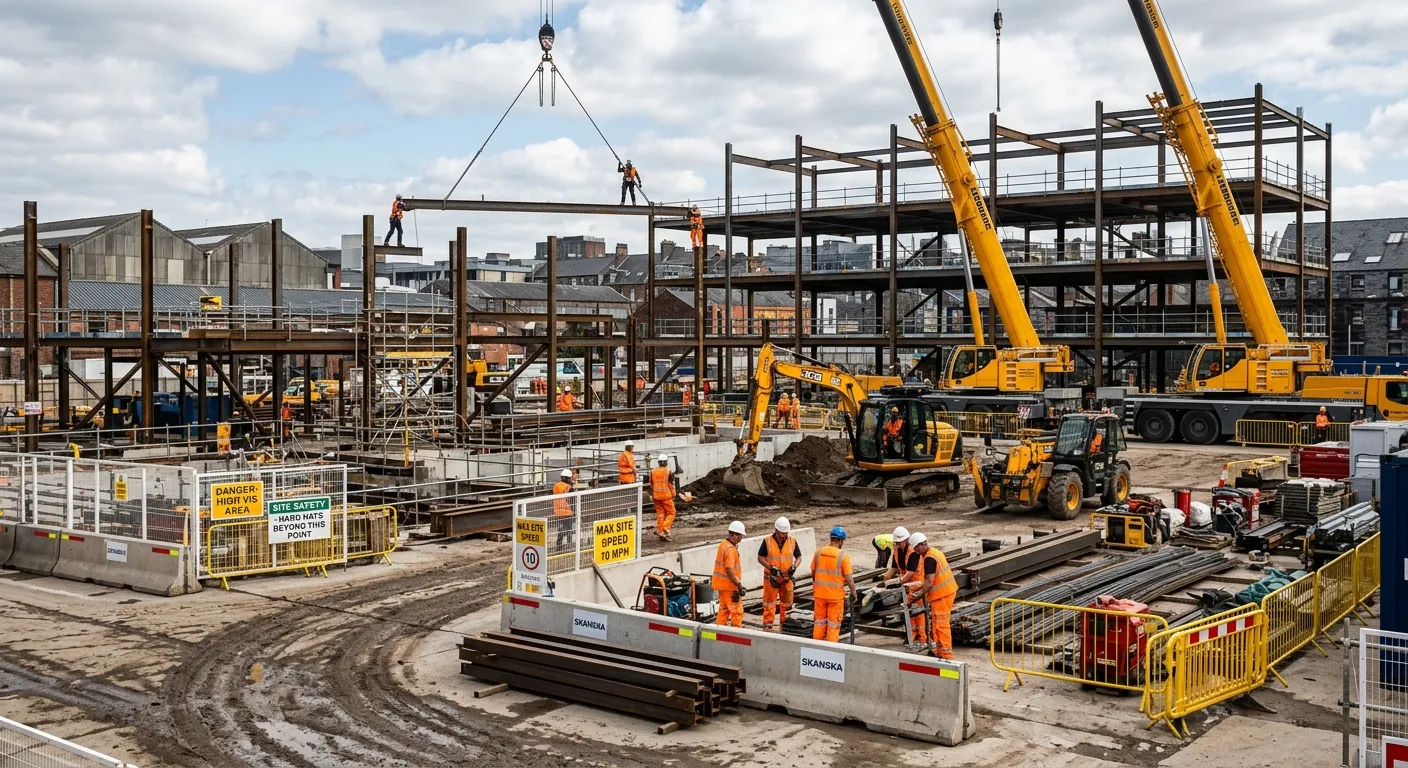
Construction Labor Hire has become a decisive advantage for contractors, developers, civil engineers, and site managers who need to keep projects moving without overcommitting to permanent headcount. When schedules are tight, weather is unpredictable, and trades must align across multiple work fronts, the right temporary workforce can prevent costly delays, improve safety, and protect your programme. This comprehensive guide explains how to use Construction Labor Hire strategically, from sourcing vetted labourers and plant operators to managing compliance, controlling costs, and building a resilient site culture.
Whether you are hiring for a residential development, commercial fit-out, infrastructure package, industrial shutdown, or urgent remedial works, this article will help you understand what modern Construction Labor Hire really involves. You will learn how to choose the right categories of workers, how to structure your request, what questions to ask before booking, and how to turn flexible staffing into a reliable delivery engine. If you need to act quickly, you can also hire staff today through a simple posting workflow designed for fast turnaround.
About Construction Labor Hire: What It Is and Why It Matters
Construction Labor Hire is the process of engaging temporary or contract workers to fulfil defined roles on a construction site for a specific period, task, or project phase. It can include general labourers, trade assistants, machine operatives, traffic marshals, site cleaners, demolition workers, materials handlers, and specialist support staff. Unlike permanent recruitment, Construction Labor Hire focuses on speed, flexibility, and role-based deployment. It allows employers to scale up during peak workload, scale down during quiet periods, and fill sudden vacancies without disrupting progress.
The value of Construction Labor Hire is not only about filling gaps. It is about improving certainty. A well-managed temporary workforce can reduce the risk of idle shifts, limit overtime dependency, and provide access to vetted personnel with relevant site experience. For many contractors, the right partner can make the difference between a programme that slips and one that stays on track. If you want a broader overview of how staffing and recruitment interact on construction projects, our resource on Construction Staffing & Labour Hire provides useful context.
The Core Purpose of Temporary Construction Workforce Planning
Temporary staffing in construction exists to solve three practical problems: unpredictable labour demand, short-term project pressure, and the need for specialised support without permanent overhead. A site may require four extra labourers for a single week of excavation support, then return to its baseline crew once the concrete pour is complete. Another site may need plant operators for a narrow delivery window or traffic marshals for a temporary road closure. Construction Labor Hire makes these fluctuations manageable.
A strong temporary staffing model also supports productivity. When workers arrive with the right documentation, site awareness, and practical experience, supervisors spend less time managing induction issues and more time directing work. That is why employers increasingly look for partners who understand not just CVs, but site reality: shift patterns, access constraints, PPE requirements, CSCS expectations, and the difference between a worker who looks good on paper and one who performs well on a live site.
Pro Tip:
Do not treat Construction Labor Hire as a last-minute reaction. The most successful sites plan temporary labour around known pressure points such as handovers, deliveries, inspection dates, public holidays, and weather-sensitive phases. Early booking improves availability, lowers substitution risk, and gives your team time to brief workers properly.
Interactive Overview: Choose Your Construction Labor Hire Category
Use the tabs below to compare the most common categories within Construction Labor Hire. Each category has different sourcing, compliance, and supervision considerations.
General Labourers in Construction Labor Hire
General labourers are often the backbone of short-term construction staffing. They support excavation, material handling, site tidying, formwork assistance, bricklaying support, plastering assistance, demolition preparation, and basic site logistics. In fast-moving environments, their reliability can determine whether a trade package stays on programme.
- Best for: urgent vacancies, peak workload, and physical support tasks
- Typical duration: daily, weekly, or project-phase bookings
- Key risks: inexperienced workers, poor punctuality, and unclear task briefs
- Best practice: provide a clear daily plan, supervision, and site-specific induction
For employers who need immediate site assistance, our On Demand Labourer page explains how flexible deployment can reduce waiting time and improve responsiveness.
Skilled Trades and Trade Assistants
Skilled roles within Construction Labor Hire may include carpenters, steel fixers, groundworkers, plumbers, electricians, dryliners, painters, and trade assistants. Employers often hire these workers to maintain critical path activities, cover absence, or accelerate a package without permanently expanding payroll.
- Best for: quality-sensitive tasks and scheduled trade packages
- Typical duration: short-term contracts or long-term temporary placements
- Key risks: mismatched competence, missing tickets, and weak supervision
- Best practice: verify references, check tickets, and define acceptable workmanship standards before deployment
If your project requires a blend of permanent and temporary recruitment, the detailed guidance on Guide to Hiring Reliable Construction Labour can help you assess which roles are best suited to flexible hiring.
Plant Operators, Machine Workers, and Traffic Support
Plant and traffic roles are high-impact categories within Construction Labor Hire. A delayed excavator operator or missing traffic marshal can stop a sequence of dependent tasks. These workers require certification, practical competence, and a strong safety mindset.
- Best for: excavation, lifting support, haul roads, deliveries, and public-facing works
- Typical duration: shift-based, weekly, or contract-specific bookings
- Key risks: invalid tickets, poor site awareness, and inadequate communication
- Best practice: confirm certification, conduct a site briefing, and ensure supervisors know the limitations of each machine and task
For broader industrial and site logistics requirements, our Industrial Workforce page explains how temporary teams can support material movement and operational continuity.
Site Support, Housekeeping, and Compliance Roles
Site support workers often make Construction Labor Hire more effective because they protect the main trade teams from distractions. This category can include site cleaners, welfare attendants, materials handlers, waste segregation operatives, and general site assistants.
- Best for: cleanliness, safety, waste management, and site discipline
- Typical duration: daily, weekly, or long-term temporary support
- Key risks: poor segregation, missed hazards, and low visibility in supervision plans
- Best practice: include support staff in daily briefings and give them clear zones of responsibility
A disciplined support team can reduce trip hazards, improve inspection readiness, and create a better working environment for everyone. For many sites, this is one of the most cost-effective uses of temporary labour.
Key Benefits of Construction Labor Hire
The following benefits show why contractors, site managers, and procurement teams increasingly rely on flexible construction staffing rather than permanent-only models.
Faster Mobilisation
When a trade team calls in sick, a delivery arrives early, or a client changes the programme, time is critical. Construction Labor Hire allows you to access workers quickly and reduce the lag between demand and deployment.
Reduced Permanent Cost Pressure
Temporary hiring lets you align labour spend with actual workload. You can avoid carrying permanent overhead during quiet periods while still maintaining delivery capability.
Better Risk Control
Vetted temporary workers with appropriate documentation and site awareness reduce the likelihood of compliance failures, unsafe behaviour, and project delays.
Scalable Workforce Planning
Construction Labor Hire makes it easier to scale up for concrete pours, shutdowns, fit-outs, or civils packages, then scale down when the task is complete.
Improved Productivity
Right-fit workers, clear briefings, and good supervision can improve output. Temporary labour is most effective when it is integrated into the site plan, not simply dropped into a vacancy.
Access to Specialist Skills
Some roles are only needed intermittently, such as demolition assistance, traffic management support, or machine operation. Construction Labor Hire gives you access to these skills without long-term commitment.
How Construction Labor Hire Works in Practice
A strong Construction Labor Hire process is not just about sending workers to a site. It is about matching demand, verifying suitability, preparing the site for deployment, and monitoring performance. The following stages show how the process typically works from request to completion.
Stage 1: Define the Requirement Clearly
The first step is to describe what is needed in practical terms. This includes job title, number of workers, start date, duration, shift pattern, site location, required tickets, PPE, main duties, and supervision arrangements. Vague requests often lead to mismatched candidates and avoidable substitutions.
Stage 2: Source and Screen Suitable Workers
Once the brief is clear, the next step is sourcing. Effective screening should go beyond checking availability. It should verify right to work, relevant certifications, site experience, physical suitability, reliability, and attitude. In Construction Labor Hire, the best candidate is not always the most experienced person on a CV; it is the one who can perform safely and consistently under your site conditions.
Stage 3: Confirm Compliance and Induction Readiness
Before deployment, confirm documentation, ticket validity, welfare arrangements, and any site-specific requirements. This stage reduces delays at the gate and helps supervisors feel confident that the temporary team is ready to work from the first hour.
Stage 4: Deploy, Supervise, and Review
After arrival, give workers a clear task brief, hazard information, and a named point of contact. Good supervision is essential. If the worker performs well, consider them for repeat bookings. If there are issues, review quickly so the next deployment improves rather than repeats the same problem.
Fast-Track Booking Checklist
- Role and number of workers
- Start date and shift hours
- Site address and access instructions
- Required tickets or certifications
- PPE list
- Supervisor contact name
- Key tasks and non-negotiables
- Duration and possible extension
Compliance, Safety, and Site Readiness in Construction Labor Hire
Safety and compliance are central to successful Construction Labor Hire. Temporary workers must be fit for the role, correctly documented, and properly briefed. Employers should never assume that a worker’s experience alone guarantees safe performance on a new site. Conditions, hazards, and expectations vary from project to project.
A good Construction Labor Hire provider should help you reduce administrative burden while maintaining control. That includes confirming right to work, verifying tickets where relevant, recording inductions, and ensuring workers understand site rules. The goal is not just to fill a shift, but to place a worker who can contribute safely and productively from day one.
Expert Insight:
The most common compliance failures in temporary construction staffing are not caused by malicious intent. They are caused by rushed onboarding, unclear ticket requirements, and missing documentation checks. Build a simple pre-deployment review into your process, and you will reduce gate delays, improve safety, and protect your programme.
What Employers Should Confirm Before a Worker Arrives
Documentation and Identity
Confirm right to work, identity checks, and any required paperwork. Do not allow uncertainty to move to the site gate.
Ticket Validity and Relevance
Check that tickets are valid, relevant to the task, and accepted by your client or principal contractor.
PPE and Welfare Readiness
Ensure workers have the correct PPE and understand welfare arrangements, including facilities, break areas, and site access.
Site-Specific Hazard Briefing
Temporary workers need to know where hazards are, what tasks are prohibited, and who to report to.
Full-Width Compliance Checklist for Construction Labor Hire
Right to work confirmed
Tickets verified and valid
PPE list communicated
Induction completed
Supervisor assigned
Task brief delivered
Hazard zones explained
End-of-day review done
For a deeper explanation of how agencies and employers collaborate on safe, efficient staffing, see our dedicated resource on Construction Labour Hire Recruitment. It covers practical expectations, vetting, and the relationship between recruitment quality and site performance.
Cost, Value, and Productivity: The Business Case for Construction Labor Hire
One of the most frequent questions about Construction Labor Hire is whether it is cost-effective. The answer depends on how you measure value. If you only look at the hourly rate, temporary staffing may appear more expensive than permanent employment. But if you consider total delivery cost, programme protection, reduced idle time, and flexibility, the picture changes quickly.
Where Temporary Labour Saves Money
- Prevents lost shifts when vacancies appear suddenly
- Reduces overtime reliance on existing crews
- Allows you to pay for labour only when work exists
- Supports faster recovery after delays or absence
- Provides access to specialist skills for short tasks
Where Temporary Labour Can Cost More If Poorly Managed
- Using last-minute requests with limited screening
- Accepting workers without checking suitability for the task
- Failing to supervise or brief properly
- Allowing repeated substitutions to become normal
- Not reviewing performance after each booking
How to Improve Return on Investment in Construction Labor Hire
The best value from Construction Labor Hire comes from intentionality. If you treat temporary workers as a core part of your delivery model rather than an emergency fix, you can improve consistency and reduce disruption. That means better forecasting, clearer briefs, stronger supervision, and a willingness to build repeat relationships with reliable workers.
It also means measuring performance. Track how often temporary workers complete assigned tasks safely, how often substitutions occur, and how quickly they become productive. Over time, this data helps you identify which roles benefit most from flexible hiring and which may need a more permanent solution.
Pro Tip:
Create a preferred-worker list for repeat bookings. A worker who has already completed your induction, understands your site layout, and performs well with your supervision style is usually more valuable than a new candidate with a stronger paper profile but no practical site familiarity.
Real-World Scenarios Where Construction Labor Hire Makes a Difference
The following scenarios illustrate how Construction Labor Hire is used in practice across different project environments. These examples show why flexible staffing is not just a recruitment tactic, but a delivery strategy.
Scenario 1: Urgent Absence During a Critical Path Task
A groundworker team is preparing foundations when two labourers call in sick. Without support, the concrete pour may be delayed. Construction Labor Hire allows the contractor to request two vetted workers quickly, preserving the sequence and protecting the programme.
This is a classic use case for temporary staffing: speed matters, but reliability matters more. The right workers should arrive with the correct documentation, understand basic site safety, and be able to support the task without excessive supervision.
Common Outcome
Delay avoided, programme protected, and the trade package stays on schedule.
Scenario 2: Peak Workload on a Commercial Fit-Out
A contractor faces a compressed handover date and needs additional support for cleaning, waste removal, and material handling. Permanent crew members are already stretched. Construction Labor Hire provides temporary site support staff who can improve housekeeping and free skilled trades to focus on finishing tasks.
In these situations, support roles may seem simple, but they have a direct impact on quality, safety, and client perception. A clean, organised site is easier to inspect and easier to manage.
Why It Works
Temporary support labour protects productivity for the core team.
Scenario 3: Infrastructure Shutdown or Short-Term Plant Support
A plant or industrial site needs additional labourers and machine support for a scheduled shutdown. The work is intensive but temporary. Construction Labor Hire provides a flexible workforce that can be scaled up for the shutdown and released once the project phase is complete.
This model is especially useful when demand is predictable in timing but not in permanent headcount. It allows employers to match labour supply to operational intensity without long-term payroll commitments.
Best Use
Short-term, high-demand phases with clear start and end points.
Expert Tips for Getting the Best Results from Construction Labor Hire
The difference between average and excellent outcomes in Construction Labor Hire often comes down to preparation, communication, and follow-up. The following practical tips will help you get more value from every booking.
1. Be Specific About the Task
Do not simply request “a labourer.” Explain whether the worker will be assisting with excavation, moving materials, cleaning, demolition support, or trade assistance. Clear task information improves matching and reduces disappointment.
2. Provide Access Information Early
Gate delays are avoidable. Provide site address, entrance details, induction requirements, parking information, and supervisor contact details in advance.
3. Brief Workers on Day One
A short, structured briefing can significantly improve performance. Explain expectations, hazards, break times, and reporting lines before work begins.
4. Review and Repeat
If a worker performs well, keep them in mind for future bookings. If there are issues, address them early so the next deployment is better.
Pro Tip:
Treat Construction Labor Hire as part of your project planning, not just your recruitment function. The most successful sites integrate temporary staffing into weekly look-ahead plans, resource forecasts, and safety meetings.
FAQ: Construction Labor Hire Questions Answered
Below are common questions from employers and site managers considering Construction Labor Hire. Use the accordion to expand each answer.
Construction Labor Hire is the engagement of temporary workers to fulfil construction site roles for a specific period or task. It can include general labourers, trade assistants, plant operatives, traffic marshals, and site support staff.
It can be more cost-effective for short-term or variable workload because you avoid permanent overhead during quiet periods. However, the true value depends on how well the temporary workers are screened, supervised, and integrated into the site plan.
Roles with short-term demand, urgent vacancies, or project-phase peaks are ideal. This includes general labour, site cleaning, trade assistance, machine support, traffic management, and demolition assistance.
Provide the role, number of workers, start date, shift hours, site location, required tickets, PPE, main duties, supervision arrangements, and duration. The clearer your request, the better the match.
Book earlier, be clear about requirements, verify documentation in advance, and maintain a preferred-worker list. Substitutions often happen when briefs are vague or when employers wait until the last moment.
Every worker has a responsibility to work safely, but the employer and site management remain responsible for proper induction, supervision, hazard control, and a safe working environment. Temporary workers must be briefed and supported just like permanent staff.
Yes. While it is often associated with short-term needs, Construction Labor Hire can also support longer temporary placements, phased projects, and seasonal workload increases where permanent hiring is not practical.
Turnaround depends on role complexity, ticket requirements, and availability. For many general construction roles, same-day or next-day mobilisation may be possible if the request is clear and compliant. You can hire staff today by submitting your requirement through the job posting process.
Ready to Strengthen Your Site Delivery with Construction Labor Hire?
If you need reliable temporary workers, clear compliance support, and a faster route from request to deployment, now is the time to act. Construction Labor Hire can help you protect your programme, reduce disruption, and build a more flexible workforce model that supports real project outcomes.
- Request vetted workers for urgent and planned site needs
- Scale labour up or down based on project demand
- Improve productivity with better-matched temporary teams
- Reduce last-minute vacancies and idle shift costs
Why Employers Choose Flexible Construction Staffing
Modern construction projects rarely follow a straight line. Temporary labour gives you the ability to respond quickly when plans change.
Fast
Quick response to urgent vacancies
Flexible
Scale teams to match workload
Focused
Keep your permanent crew productive