Team Labourer: Construction Recruitment Agency Hiring Welder Jobs in London
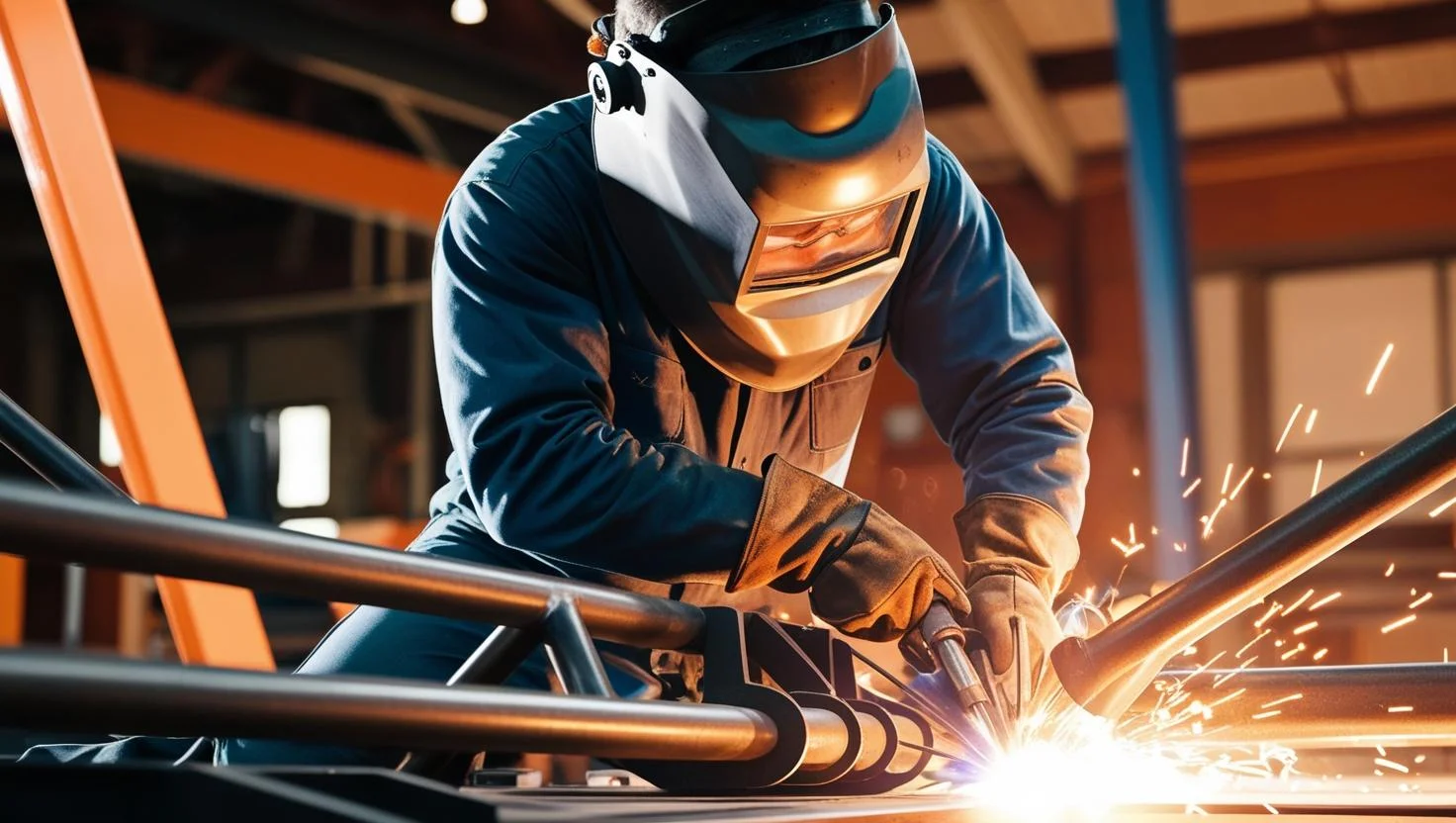
Job Title: Welder Jobs
Location: London
Main Responsibilities:
• Interpret blueprints, drawings, and specifications
• Set up welding equipment and prepare materials for welding
• Perform various welding techniques (MIG, TIG, Stick, Flux-core)
• Join metal components using heat and fusion processes
• Inspect and test welded surfaces and structures
• Maintain equipment and work area
• Adhere to safety regulations and wear appropriate protective gear
• Collaborate with other tradespeople on construction projects
Required Skills & Qualifications:
• Valid welding certification (e.g., City & Guilds, AWS)
• Proficiency in multiple welding techniques
• Ability to read and interpret technical drawings
• Knowledge of different metals and their properties
• Strong attention to detail and precision
• Physical stamina and ability to work in various positions
• Good hand-eye coordination
• Basic math skills for measurements and calculations
• Understanding of safety procedures and regulations
Experience:
• Entry-level positions: 1-2 years of experience
• Mid-level positions: 3-5 years of experience
• Senior positions: 5+ years of experience
Various Welder Jobs in London:
1. Construction Welder
2. Fabrication Welder
3. Pipeline Welder
4. Aerospace Welder
5. Automotive Welder
6. Shipyard Welder
7. Maintenance Welder
8. Underwater Welder
9. Robotics Welder
10. Nuclear Welder
Pay Rates for Welder Jobs in London:
• Entry-level: £12 ' £15 per hour
• Mid-level: £15 ' £20 per hour
• Experienced/Specialist: £20 ' £30+ per hour
• Contract work: £200 ' £350+ per day
Pay rates may vary depending on the specific industry, company, and level of expertise required.
Introduction
London, the bustling capital of the United Kingdom, is a city that never stops growing and evolving. With its constant development and construction projects, the demand for skilled welders remains high. This article explores the world of welder jobs in London, providing valuable insights into the industry, career prospects, and what it takes to succeed in this dynamic field. Whether you're a seasoned welder looking for new opportunities or considering a career change, this comprehensive guide will help you navigate the welding job market in one of the world's most exciting cities.
The Welding Industry in London
London's welding industry is a vital component of the city's infrastructure and manufacturing sectors. Welders play a crucial role in various projects, from constructing iconic skyscrapers to maintaining the city's extensive transportation network. The industry has seen steady growth in recent years, driven by ongoing construction projects, infrastructure improvements, and the city's commitment to modernization.
London's welding sector is diverse, encompassing a wide range of specializations and applications. From structural welding for buildings and bridges to precision welding for aerospace and automotive industries, the opportunities for skilled welders are vast and varied. This diversity not only provides job security but also offers welders the chance to work on exciting and challenging projects throughout their careers.
Types of Welding Jobs in London
The welding job market in London offers a variety of positions to suit different skill levels and specializations. Some of the most common types of welding jobs in the city include:
1. Structural Welders: These professionals work on large-scale construction projects, joining metal components for buildings, bridges, and other structures.
2. Pipe Welders: Specializing in joining pipes and tubes, these welders are crucial for plumbing, oil and gas, and industrial applications.
3. Aerospace Welders: Working with specialized materials and techniques, these welders contribute to the manufacturing and maintenance of aircraft and spacecraft components.
4. Automotive Welders: These professionals work in the automotive industry, welding components for cars, trucks, and other vehicles.
5. Maintenance Welders: Responsible for repairing and maintaining existing structures and equipment, these welders often work in factories, power plants, and other industrial settings.
6. Underwater Welders: Although less common, these specialized welders work on underwater structures, such as offshore oil rigs and ship hulls.
Qualifications and Skills Required
To succeed in the welding industry in London, certain qualifications and skills are essential. While specific requirements may vary depending on the employer and position, some common prerequisites include:
1. Formal Training: Most employers require a recognized welding qualification, such as an NVQ (National Vocational Qualification) in Welding or a City & Guilds certificate.
2. Certifications: Additional certifications, such as those from The Welding Institute (TWI) or the American Welding Society (AWS), can enhance job prospects and demonstrate expertise in specific welding techniques.
3. Experience: Many employers prefer candidates with practical experience, which can be gained through apprenticeships, internships, or entry-level positions.
4. Technical Skills: Proficiency in various welding techniques, including MIG, TIG, and stick welding, is often required. Knowledge of blueprint reading and welding symbols is also valuable.
5. Safety Awareness: A strong understanding of safety protocols and procedures is crucial in this potentially hazardous field.
6. Physical Fitness: Welding can be physically demanding, requiring strength, dexterity, and the ability to work in challenging positions and environments.
7. Attention to Detail: Precision is key in welding, making a keen eye for detail and the ability to produce high-quality work essential.

Job Market and Salary Expectations
The job market for welders in London remains robust, with steady demand across various industries. Salaries for welders in the city can vary widely depending on factors such as experience, specialization, and employer. As of 2023, entry-level welders in London can expect to earn around £20,000 to £25,000 per year, while experienced welders with specialized skills can command salaries of £35,000 to £50,000 or more.
It's worth noting that some welding jobs, particularly those in high-demand specializations or involving hazardous conditions, may offer higher salaries and additional benefits. For example, underwater welders or those working on offshore projects can earn significantly more due to the specialized nature of their work and the associated risks.
Finding Welding Jobs in London
There are several avenues for finding welding jobs in London:
1. Online Job Boards: Websites like Indeed, Reed, and TotalJobs regularly list welding positions in London and the surrounding areas.
2. Recruitment Agencies: Many agencies specialize in placing skilled tradespeople, including welders, in temporary and permanent positions.
3. Industry-Specific Websites: Websites catering to the construction, manufacturing, or engineering sectors often have dedicated job boards for welding positions.
4. Networking: Attending industry events, joining professional associations, and connecting with other welders can lead to job opportunities.
5. Apprenticeship Programs: For those new to the field, apprenticeship programs offer a way to gain experience and qualifications while earning a wage.
6. Direct Applications: Some larger companies and construction firms may accept direct applications through their websites or HR departments.
Challenges and Opportunities in the London Welding Industry
While the welding industry in London offers numerous opportunities, it also presents some challenges. Competition for high-paying positions can be fierce, particularly for those without specialized skills or extensive experience. Additionally, the physical demands of the job and potential exposure to hazardous conditions can be deterrents for some individuals.
However, these challenges are balanced by significant opportunities. The ongoing demand for skilled welders means that those who invest in their education and continuously update their skills can enjoy job security and career advancement. Furthermore, London's position as a global city means that welders have the chance to work on prestigious projects and potentially gain international experience.
Future Trends in Welding
The welding industry is evolving, with new technologies and techniques shaping the future of the profession. Some trends that are likely to impact welding jobs in London include:
1. Automation: While robots are increasingly used for some welding tasks, skilled welders remain essential for complex jobs and quality control.
2. Advanced Materials: As new alloys and composites are developed, welders will need to adapt their techniques and expand their knowledge.
3. Sustainable Practices: With a growing focus on sustainability, welders may need to familiarize themselves with eco-friendly welding methods and materials.
4. Virtual Reality Training: VR technology is being used to enhance welding training, providing a safe and cost-effective way to practice skills.
5. Additive Manufacturing: The growth of 3D printing in metal fabrication may create new opportunities for welders with specialized skills in this area.
Conclusion
Welder jobs in London offer a diverse and rewarding career path for those with the right skills and dedication. The city's ongoing development and varied industries provide a wealth of opportunities for welders at all stages of their careers. While the field can be challenging, the potential for growth, competitive salaries, and the satisfaction of contributing to London's iconic skyline make it an attractive option for many.
For those considering a career in welding or looking to advance their existing skills, London provides an excellent environment to thrive. By staying informed about industry trends, continuously updating skills, and networking within the field, welders can position themselves for success in this dynamic and essential profession. As London continues to grow and evolve, the demand for skilled welders is likely to remain strong, ensuring a bright future for those who choose this career path in one of the world's most exciting cities.
FAQs ' Find Welder Jobs in London with Team Labourer Agency
1. What qualifications do I need to become a welder in London?
To become a welder in London, you typically need:
- Basic Training: Completion of a welding course, such as a Level 2 or 3 Diploma in Welding and Fabrication.
- Experience: Hands-on experience, often gained through apprenticeships or on-the-job training.
- Core Skills: Proficiency in interpreting technical drawings and operating welding equipment.
- Good manual dexterity, attention to detail, and the ability to work in high-pressure environments.
2. How much can I expect to earn as a welder in London?
Welding salaries in London vary based on skill level and specialization:
- Entry-Level Welders: £25,000 ' £30,000 per year.
- Experienced Welders: £35,000 ' £45,000+ per year.
- Specialist Welders (TIG/MIG or underwater welding): Up to £60,000 annually or more.
Freelance or contract welders may earn even higher rates depending on demand.
3. Are there specific certifications required for welding jobs in London?
Yes, most welding jobs in London require certifications such as:
- CSCS Card: Essential for working on construction sites.
- City & Guilds or NVQ Welding Certifications: Industry-recognized qualifications.
- Certifications for Specializations: For example, a BS EN ISO 9606-1 qualification for advanced welders.
Additionally, specialized industries (e.g., aviation or rail) may require sector-specific certifications.
4. What types of welding are most in-demand in London's job market?
The most in-demand welding types in London include:
- MIG Welding (Metal Inert Gas): Used extensively in construction and manufacturing.
- TIG Welding (Tungsten Inert Gas): Sought after for precision welding on materials like aluminum and stainless steel.
- Arc Welding: Common in structural steel fabrication.
- Specialist Welding: In industries like automotive, aerospace, and oil & gas.
5. Are there opportunities for apprenticeships or on-the-job training for aspiring welders in London?
Absolutely! London offers numerous pathways for aspiring welders:
- Apprenticeships: Many companies provide welding apprenticeships, combining practical training with classroom learning.
- On-the-Job Training: Entry-level roles often include opportunities to learn while earning, even for candidates without prior experience.
- Government-Funded Programs: Various schemes and funding opportunities exist to help individuals access welding training.
These routes are excellent for building skills, gaining certifications, and advancing to higher-paying roles.