Team Labourer: Plasterer Opportunities in Hull
Job Title: Plasterer Opportunities
Location: Hull
Job Description
We are seeking skilled plasterers to join our team in Hull for various exciting projects. As a plasterer, you will play a crucial role in creating smooth and attractive surfaces for both residential and commercial properties.
Main Responsibilities:
• Prepare surfaces for plastering by cleaning, sanding, and applying bonding agents
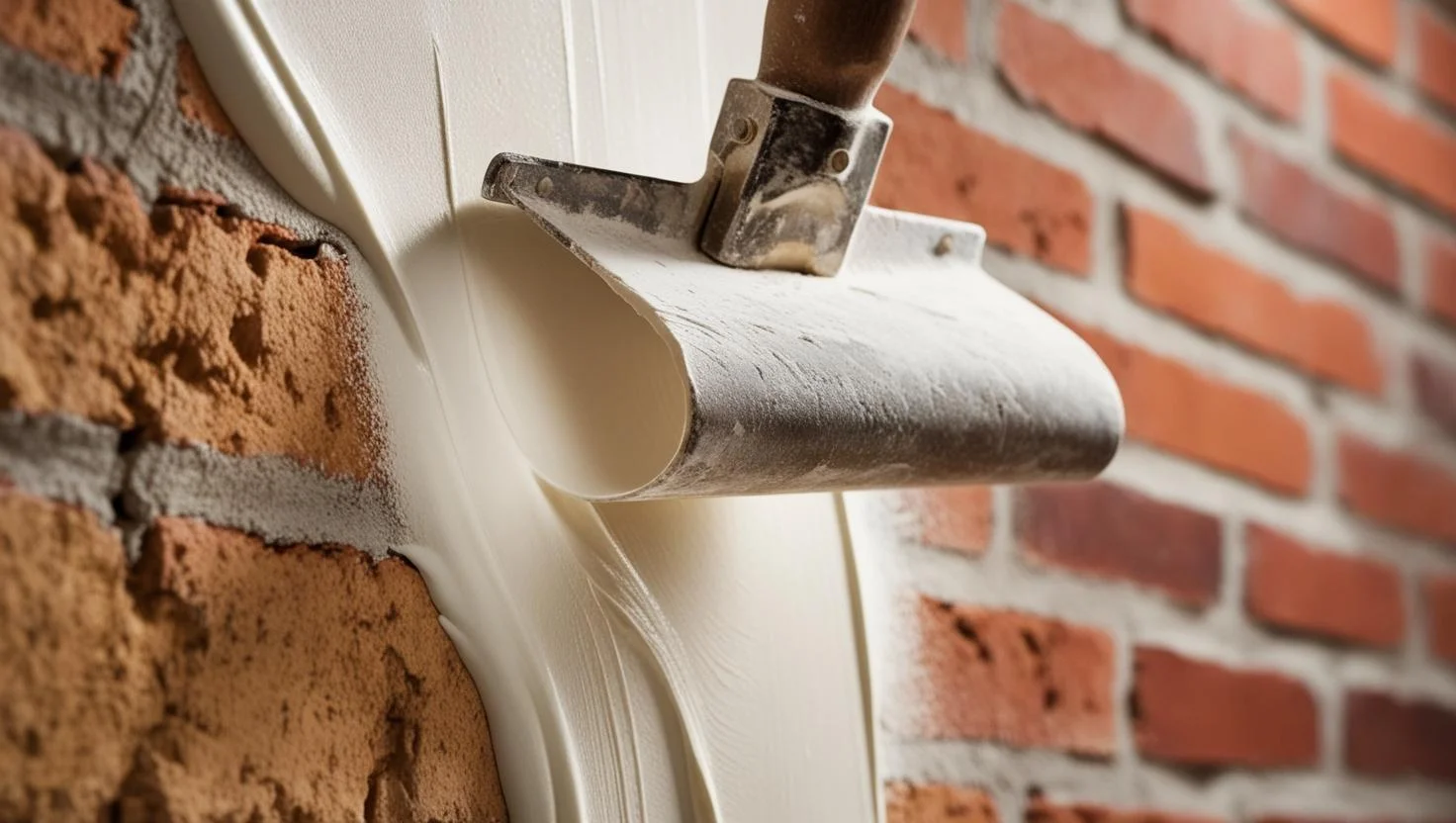
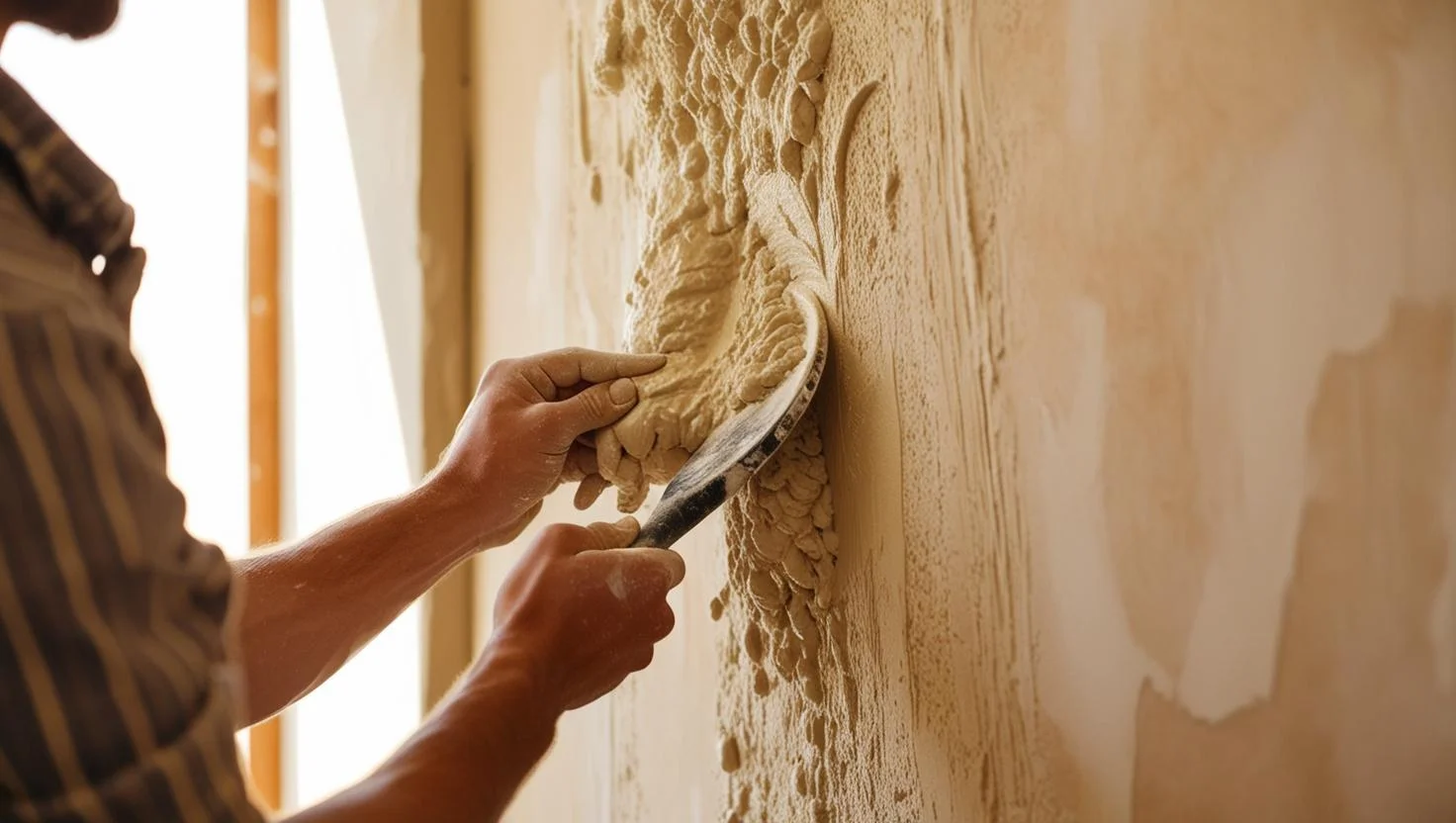
• Mix and apply plaster, render, and screeds to walls, ceilings, and floors
• Create decorative finishes and mouldings as required
• Repair and restore existing plasterwork
• Follow health and safety regulations at all times
• Work efficiently to meet project deadlines
• Collaborate with other tradespeople on construction sites
Required Skills & Qualifications:
• NVQ Level 2 or 3 in Plastering or equivalent qualification
• Strong knowledge of various plastering techniques and materials
• Excellent attention to detail and commitment to high-quality workmanship
• Good physical fitness and ability to work at heights
• Valid CSCS card
• Strong communication and teamwork skills
• Ability to read and interpret construction plans and specifications
Experience:
• Minimum 2 years of experience as a plasterer in residential and/or commercial projects
• Experience with both traditional and modern plastering methods
• Familiarity with health and safety regulations in the construction industry
Various Plasterer Opportunities in Hull:
1. Residential Plasterer: Focus on new build homes and renovation projects
2. Commercial Plasterer: Work on office buildings, retail spaces, and public facilities
3. Heritage Plasterer: Specialise in restoring and maintaining historic buildings
4. Dry Lining Specialist: Install and finish plasterboard partitions and ceilings
5. Rendering Specialist: Apply external renders and finishes to buildings
Pay Rates for Plasterer Opportunities in Hull:
• Apprentice/Trainee: £8 ' £10 per hour
• Newly Qualified Plasterer: £12 ' £15 per hour
• Experienced Plasterer: £15 ' £20 per hour
• Specialist/Senior Plasterer: £20 ' £25 per hour
• Self-employed/Contractor rates may vary and can be higher based on experience and specialisation
Pay rates are approximate and may vary depending on the employer, project complexity, and individual experience.
Introduction
The construction industry in Hull, a vibrant city in East Yorkshire, England, has been experiencing significant growth in recent years. This surge in development has created numerous opportunities for skilled tradespeople, particularly plasterers. As an essential part of the construction process, plasterers play a crucial role in both new builds and renovation projects. This article will explore the various aspects of plasterer opportunities in Hull, including the current job market, required skills and qualifications, potential career paths, and the overall outlook for the profession in this thriving city.
The Current Job Market for Plasterers in Hull
Hull's construction sector has been on an upward trajectory, driven by several factors including urban regeneration projects, increased housing demand, and commercial developments. This growth has naturally led to a rise in demand for skilled plasterers across the city and surrounding areas. Many construction companies, contractors, and private homeowners are actively seeking experienced plasterers to work on a variety of projects.
The job market for plasterers in Hull is diverse, offering opportunities in both residential and commercial sectors. Residential projects may include new home construction, extensions, and renovations, while commercial work can range from office buildings and retail spaces to public facilities such as schools and hospitals. This diversity not only provides a steady stream of work but also allows plasterers to gain experience in different types of projects and expand their skill set.
Required Skills and Qualifications
To succeed as a plasterer in Hull, individuals need to possess a combination of technical skills, physical abilities, and personal qualities. The primary technical skills required include proficiency in applying various types of plaster, creating smooth and even surfaces, and understanding different plastering techniques such as skimming, rendering, and dry lining.
Physical stamina is crucial in this profession, as plasterers often work long hours and may need to lift heavy materials. Good hand-eye coordination and attention to detail are also essential for achieving high-quality finishes. Additionally, plasterers should have basic math skills for measuring and calculating material quantities.
While formal qualifications are not always mandatory, they can significantly enhance job prospects and earning potential. Many plasterers in Hull start their careers through apprenticeships, which combine on-the-job training with classroom instruction. Vocational qualifications such as NVQs (National Vocational Qualifications) in Plastering are highly regarded in the industry and can be obtained through local colleges or training providers.
Career Paths and Progression
The plastering profession in Hull offers various career paths and opportunities for advancement. Many plasterers start as apprentices or trainees, working under experienced professionals to learn the trade. As they gain experience and build their skills, they can progress to become fully qualified plasterers, taking on more complex projects and commanding higher rates.
Experienced plasterers may choose to specialize in specific areas such as ornamental plastering, which involves creating decorative elements like cornices and ceiling roses. This specialization can lead to higher-paying jobs and unique project opportunities, particularly in Hull's historic buildings and renovation projects.
Another career path for plasterers in Hull is self-employment. Many skilled plasterers choose to work as independent contractors, offering their services directly to clients or subcontracting for larger construction companies. This route provides greater flexibility and the potential for higher earnings, but also requires business management skills and the ability to secure regular work.
The Impact of Technology on Plastering
As with many trades, technology is playing an increasingly important role in the plastering profession. In Hull, plasterers who stay up-to-date with the latest tools and techniques can gain a competitive edge in the job market. Some technological advancements in plastering include spray plastering machines, which can increase efficiency on large projects, and specialized compounds that offer improved durability and faster drying times.
Additionally, the use of computer-aided design (CAD) software is becoming more common in the construction industry. While not directly related to the application of plaster, familiarity with these tools can be beneficial for plasterers working on complex projects or those aspiring to move into supervisory roles.
Challenges and Opportunities in the Hull Market
While the plastering industry in Hull offers numerous opportunities, it also comes with its share of challenges. One of the main challenges is the cyclical nature of the construction industry, which can lead to periods of high demand followed by slower times. Plasterers in Hull need to be prepared for these fluctuations and may need to be flexible in terms of the types of projects they take on.
Another challenge is the increasing competition in the market. As the demand for plasterers grows, more individuals are entering the profession, which can lead to increased competition for jobs. To stand out in this competitive environment, plasterers in Hull need to focus on building a strong reputation for quality work, reliability, and professionalism.
Despite these challenges, the opportunities for plasterers in Hull remain promising. The city's ongoing regeneration efforts and the government's focus on increasing housing supply are likely to sustain demand for skilled plasterers in the foreseeable future. Moreover, the growing trend towards eco-friendly construction presents new opportunities for plasterers who are knowledgeable about sustainable materials and energy-efficient plastering techniques.
Networking and Professional Development
For plasterers looking to maximize their opportunities in Hull, networking and continuous professional development are crucial. Joining local trade associations or unions can provide access to job opportunities, training resources, and industry updates. These organizations often host events and workshops that allow plasterers to connect with peers and potential employers.
Continuing education is also important in staying competitive in the Hull market. This can involve attending workshops on new plastering techniques, obtaining additional certifications, or even learning complementary skills such as tiling or drywalling. Many plasterers in Hull find that diversifying their skill set can lead to more job opportunities and higher earning potential.
The Role of Apprenticeships in Hull's Plastering Industry
Apprenticeships play a vital role in the plastering industry in Hull, serving as a pipeline for new talent and ensuring the continuation of high-quality craftsmanship. Many local construction companies and plastering firms in Hull offer apprenticeship programs, often in partnership with local colleges and training providers.
These apprenticeships typically last 2-3 years and provide a combination of on-the-job training and classroom-based learning. For young people or career changers in Hull, plastering apprenticeships offer an excellent opportunity to enter the trade with minimal upfront costs while earning a wage. Moreover, many apprentices find that they have job offers waiting for them upon completion of their training, making it a secure path into the profession.
The Future Outlook for Plasterers in Hull
Looking ahead, the future for plasterers in Hull appears bright. The city's ambitious development plans, including the ongoing regeneration of the city center and waterfront areas, suggest that demand for skilled plasterers will remain strong in the coming years. Additionally, the UK government's commitment to increasing housing supply nationwide is likely to have a positive impact on the construction industry in Hull and surrounding areas.
Furthermore, as older buildings in Hull require renovation and restoration, there will be a continued need for plasterers skilled in traditional techniques. This presents an opportunity for plasterers to specialize in heritage restoration work, which can be both rewarding and lucrative.
However, to truly thrive in the future, plasterers in Hull will need to adapt to changing industry trends. This may include embracing sustainable building practices, staying abreast of technological advancements, and being prepared to work with new materials as they are introduced to the market.
Conclusion
In conclusion, the plastering profession in Hull offers a wealth of opportunities for those with the right skills and dedication. The city's thriving construction industry, coupled with ongoing regeneration projects and housing demands, creates a favorable environment for plasterers to build successful careers. Whether starting as an apprentice, working as an employee for a construction company, or venturing into self-employment, plasterers in Hull have various paths to choose from.
While challenges such as market fluctuations and increasing competition exist, the overall outlook for plasterers in Hull remains positive. By continually developing their skills, embracing new technologies, and maintaining high standards of workmanship, plasterers can position themselves for long-term success in this dynamic city. As Hull continues to grow and evolve, skilled plasterers will undoubtedly play a crucial role in shaping the city's built environment for years to come.
FAQs ' Find Plasterer Opportunities in Hull with Team Labourer Agency
1. What qualifications do I need to become a plasterer in Hull?
To become a plasterer in Hull, you typically need:
- NVQ Level 2 or Level 3 in Plastering: These are the most common and recognised qualifications that cover essential plastering skills.
- City & Guilds Diploma in Plastering: An alternative qualification that teaches plastering techniques and industry standards.
- Apprenticeship Program: Many plasterers start by completing an apprenticeship that combines on-the-job training with classroom instruction.
- CSCS Card: A Construction Skills Certification Scheme card is often required to work on construction sites, demonstrating your knowledge of health and safety.
While formal qualifications help, some plasterers learn through on-the-job experience or by shadowing experienced tradespeople.
2. Are there apprenticeship opportunities for aspiring plasterers in Hull?
Yes, apprenticeship opportunities for plasterers are available in Hull:
- Local Colleges and Training Providers: Colleges, such as Hull College, may offer plastering apprenticeships in partnership with local employers.
- Government Apprenticeship Platforms: Websites like gov.uk list available plastering apprenticeships in the region.
- Local Construction Firms: Many construction companies in Hull regularly hire apprentices to train as plasterers.
Apprenticeships typically last 2-3 years and allow aspiring plasterers to gain hands-on experience while earning a wage.
3. What is the average salary for plasterers in Hull?
The average salary for plasterers in Hull depends on experience and skill level:
- Entry-Level Plasterers: Can earn between £18,000 and £25,000 per year.
- Experienced Plasterers: Typically earn £25,000 to £35,000 annually.
- Self-Employed Plasterers: Earnings can vary but usually range from £150 to £300 per day, depending on the types of projects and hours worked.
Specialist plastering skills like decorative or fibrous plastering may lead to higher earnings.
4. Is there a high demand for plasterers in Hull's construction industry?
Yes, there is a steady demand for plasterers in Hull due to:
- New Construction Projects: Hull is experiencing ongoing housing and commercial development projects that require skilled plasterers.
- Renovation and Restoration: With a mix of older properties and modern construction in Hull, plasterers are often needed for renovations and repairs.
- Specialist Plastering: Decorative and traditional restoration techniques are increasingly in demand in areas with historical buildings.
As construction continues in and around Hull, plasterers remain an essential part of the industry.
5. What types of projects can plasterers typically work on in Hull?
Plasterers in Hull can work on a wide range of projects, including:
- Residential Properties: Applying plaster to walls and ceilings during home construction, renovations, or repairs.
- Commercial Buildings: Working on offices, retail spaces, and industrial buildings.
- Restoration Projects: Restoring plasterwork in older or historical buildings in Hull's more traditional neighbourhoods.
- Decorative Work: Installing or repairing ornate plaster mouldings, ceilings, and cornices.
- Dry Lining and Partitioning: Creating partitions or smooth finishes for modern construction.
Plasterers in Hull often work for construction firms, property developers, or as self-employed tradespeople.