Immediate Start: Skilled Labourer Role in Norwich
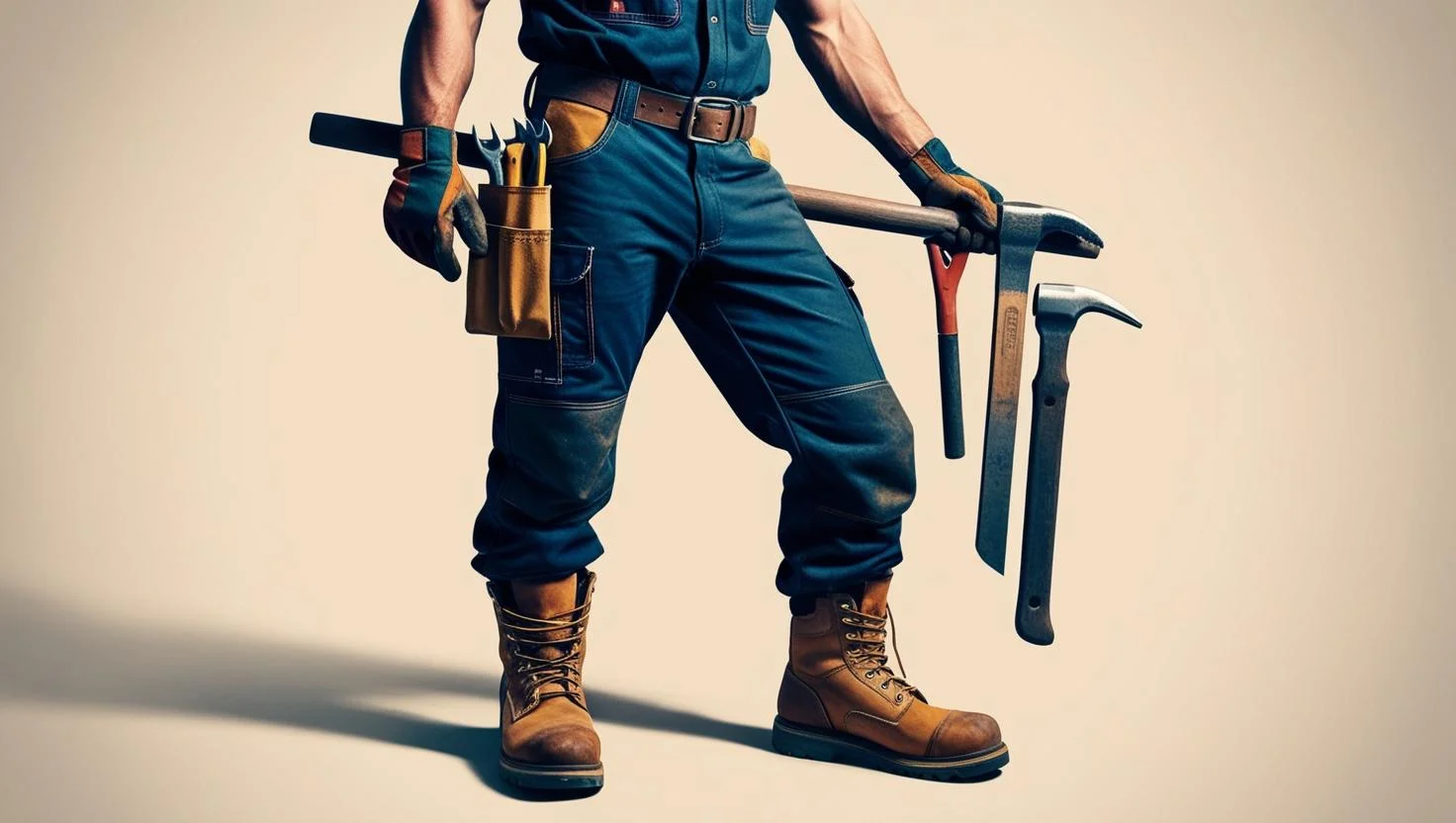
Job Description: Skilled Labourer Role in Norwich
Main Responsibilities:
• Perform various construction tasks and manual labour activities
• Operate and maintain construction equipment and tools
• Follow safety protocols and procedures on job sites
• Assist in site preparation, excavation, and foundation work
• Interpret blueprints and technical drawings
• Mix, pour, and finish concrete
• Erect scaffolding and temporary structures
• Assist in carpentry, plumbing, and electrical work as needed
• Load and unload construction materials
• Clean and prepare job sites
Required Skills & Qualifications:
• High school diploma or equivalent
• Valid CSCS card
• Knowledge of construction techniques and practices
• Proficiency in using hand and power tools
• Physical strength and stamina
• Ability to work at heights and in various weather conditions
• Good communication and teamwork skills
• Basic math and measurement skills
• Attention to detail and ability to follow instructions
Experience:
• Minimum 2 years of experience in construction or related field
• Experience with specific trades (e.g., carpentry, bricklaying, plastering) is an advantage
Various Skilled Labourer Roles in Norwich:
1. General Construction Labourer
2. Bricklayer's Assistant
3. Carpenter's Helper
4. Scaffolder
5. Concrete Finisher
6. Demolition Worker
7. Groundworker
8. Plasterer's Mate
9. Roofer's Assistant
10. Painter's Helper
Pay Rates for Skilled Labourer Roles in Norwich:
• Entry-level: £11.50 ' £12 per hour
• Experienced: £13 ' £15 per hour
• Specialized roles: £15 ' £18 per hour
• Overtime rates: Time and a half or double time, depending on the employer and contract
Pay rates may vary based on specific roles, experience, and employer. Some positions may offer performance-based bonuses or additional benefits.
Introduction
Norwich, a historic city in Norfolk, England, has a rich industrial heritage and a thriving modern economy. At the heart of this economic landscape are skilled labourers who play a crucial role in various sectors, from construction to manufacturing. We delve into the multifaceted role of skilled labourers in Norwich, exploring their contributions, challenges, and the evolving nature of their work in this vibrant city.
Historical Context of Skilled Labour in Norwich
Norwich has a long and storied history of skilled labour dating back to medieval times. The city was once a major center for textile production, particularly wool and silk weaving. Skilled craftsmen were the backbone of this industry, creating high-quality fabrics that were exported across Europe. As the Industrial Revolution swept through England, Norwich's skilled workforce adapted to new technologies and industries.
The 19th and early 20th centuries saw a diversification of Norwich's economy, with skilled labourers finding work in shoe manufacturing, engineering, and food processing. This historical foundation has shaped the current landscape of skilled labour in the city, with many traditional crafts and trades still being practiced alongside more modern industries.

Current Landscape of Skilled Labour in Norwich
Today, Norwich boasts a diverse economy that relies heavily on skilled labourers across various sectors. The construction industry, in particular, plays a significant role in employing skilled workers. Carpenters, electricians, plumbers, and bricklayers are in high demand as the city continues to grow and develop. The restoration and maintenance of Norwich's many historic buildings also provide steady work for those with specialized heritage skills.
Manufacturing remains an important sector in Norwich, with skilled labourers working in food processing, engineering, and electronics production. The city's growing tech industry also requires skilled workers for tasks such as computer hardware assembly and maintenance. Additionally, the creative industries in Norwich, including film and television production, employ skilled technicians and artisans.
Key Industries Employing Skilled Labourers
Several key industries in Norwich rely heavily on skilled labour. The construction sector is perhaps the most visible, with ongoing residential and commercial development projects throughout the city. Skilled labourers in this field include not only traditional trades but also those specializing in sustainable building practices and energy-efficient technologies.
The manufacturing sector, while smaller than in its heyday, still plays a crucial role in Norwich's economy. Food and beverage production, in particular, employs many skilled workers in roles such as machine operators, quality control specialists, and maintenance technicians. The aerospace and automotive industries also have a presence in the region, providing opportunities for skilled machinists and technicians.
Norwich's growing reputation as a hub for digital and creative industries has created demand for a new type of skilled labourer. This includes roles such as digital fabricators, 3D printing specialists, and audiovisual technicians. These workers blend traditional craft skills with cutting-edge technology, representing the evolving nature of skilled labour in the 21st century.
Training and Education for Skilled Labourers
The development of skilled labourers in Norwich is supported by a robust education and training infrastructure. The city is home to several further education colleges and vocational training centers that offer apprenticeships and courses in various trades and technical skills. These institutions work closely with local businesses to ensure that training programs align with industry needs.
Norwich City College, for example, offers a wide range of vocational courses and apprenticeships in areas such as construction, engineering, and digital technologies. The college's state-of-the-art facilities provide hands-on training that prepares students for the realities of the workplace. Additionally, many local businesses offer in-house training programs and apprenticeships, allowing workers to earn while they learn.
The city also benefits from its proximity to the University of East Anglia, which offers degree programs in engineering and computer science. This helps to create a pipeline of skilled workers for more technical and specialized roles in the local economy.
Challenges Facing Skilled Labourers in Norwich
Despite the opportunities available, skilled labourers in Norwich face several challenges. One of the most significant is the skills gap in certain industries. As older workers retire, there is a growing need for young people to enter trades and technical professions. However, there is often a mismatch between the skills that employers need and those that workers possess.
The rapid pace of technological change is another challenge. Skilled labourers must continually update their knowledge and skills to remain competitive in the job market. This is particularly true in industries such as manufacturing and construction, where new technologies and materials are constantly being introduced.
Economic fluctuations can also impact skilled labourers in Norwich. The construction industry, for example, is sensitive to economic downturns, which can lead to periods of unemployment or underemployment for workers in this sector. Additionally, the COVID-19 pandemic has created new challenges, forcing many skilled labourers to adapt to new safety protocols and ways of working.
The Future of Skilled Labour in Norwich
Looking ahead, the role of skilled labourers in Norwich is likely to continue evolving. The push towards a more sustainable and environmentally friendly economy is creating new opportunities in areas such as renewable energy installation, green construction, and electric vehicle maintenance. Skilled labourers who can adapt to these emerging fields are likely to find themselves in high demand.
The integration of digital technologies into traditional trades is another trend that is shaping the future of skilled labour in Norwich. For example, plumbers and electricians are increasingly using digital diagnostic tools, while construction workers are utilizing building information modeling (BIM) software. This blending of physical and digital skills is likely to become more prevalent across all industries.
Norwich's growing reputation as a tech hub may also create new opportunities for skilled labourers. As more technology companies establish themselves in the city, there will be increased demand for workers who can manufacture, install, and maintain high-tech equipment.
The Economic Impact of Skilled Labour in Norwich
The contribution of skilled labourers to Norwich's economy cannot be overstated. These workers not only provide essential services and products but also contribute significantly to the city's economic output. The wages earned by skilled labourers support local businesses and contribute to the overall prosperity of the community.
Moreover, the presence of a skilled workforce is a key factor in attracting businesses to the area. Companies looking to establish operations in Norwich are often drawn by the availability of skilled workers, which can be a crucial determinant in investment decisions. This, in turn, creates a virtuous cycle of economic growth and job creation.
Skilled labourers also play a vital role in maintaining and enhancing Norwich's infrastructure and built environment. From the restoration of historic buildings to the construction of new, energy-efficient homes and offices, these workers are instrumental in shaping the physical fabric of the city.
Conclusion
The role of skilled labourers in Norwich is multifaceted and essential to the city's economic and social wellbeing. From the construction sites to the factory floors, from the restoration of historic buildings to the cutting edge of digital fabrication, skilled workers are the backbone of Norwich's diverse and dynamic economy.
As the city continues to evolve and grow, the importance of skilled labour will only increase. The challenges of technological change, skills gaps, and economic fluctuations are significant, but they also present opportunities for those willing to adapt and learn. With its strong educational institutions, thriving industries, and rich history of craftsmanship, Norwich is well-positioned to nurture and support its skilled workforce well into the future.
The story of skilled labour in Norwich is one of continuity and change, of traditional crafts existing alongside emerging technologies. It is a testament to the resilience and adaptability of the city's workforce, and a crucial factor in Norwich's ongoing success and prosperity. As the city looks to the future, the skills, dedication, and innovation of its labourers will undoubtedly continue to play a central role in shaping its destiny.
FAQs ' Find Skilled Labourer Role in Norwich with Team Labourer Agency
1. What qualifications are required for a Skilled Labourer role in Norwich?
Answer: Typically, a high school diploma or equivalent is required. Additional certifications in specific trades (e.g., carpentry, plumbing, or electrical work) are often preferred.

2. What is the average salary for Skilled Labourers in Norwich?
Answer: The average salary for Skilled Labourers in Norwich ranges from £20,000 to £30,000 per year, depending on experience and specialization.
3. Are there opportunities for career advancement as a Skilled Labourer in Norwich?
Answer: Yes, many skilled labourers progress to supervisory roles, become self-employed contractors, or specialize in specific trades for higher pay and more responsibilities.
4. What are the typical working hours for Skilled Labourers in Norwich?
Answer: Most skilled labourers work full-time, often 40 hours per week. However, overtime and weekend work may be required, especially during busy periods or for urgent projects.
5. What skills are most valued for Skilled Labourers in Norwich?
Answer: Employers value physical stamina, attention to detail, problem-solving abilities, teamwork, and knowledge of safety regulations. Proficiency with power tools and ability to read blueprints are also highly sought after.
WHY CHOOSE OUR TEAM LABOURER AGENCY ' THE PLACEMENT INDUSTRY? |
CONTACT INFORMATION |
|---|---|
|
|