Fast-Track Your Career: Qualified Skilled Construction Worker Trades in Bristol

Job Description: Skilled Construction Worker Trades in Bristol
Main Responsibilities:
- Execute construction tasks according to project specifications and blueprints
- Operate and maintain various construction equipment and tools
- Ensure compliance with health and safety regulations on job sites
- Collaborate with other tradespeople and supervisors to complete projects efficiently
- Interpret technical drawings and follow construction plans
- Perform site preparation, including excavation and foundation work
- Install, repair, and maintain building structures and systems
- Conduct quality checks and report any issues to project managers
Required Skills & Qualifications:
- Valid CSCS card appropriate to the trade
- Proficiency in reading and interpreting construction drawings and specifications
- Strong knowledge of building codes and safety regulations
- Excellent manual dexterity and physical stamina
- Good problem-solving and communication skills
- Ability to work at heights and in various weather conditions
- Math skills for accurate measurements and calculations
- First Aid certification (preferred)
Experience:
- Minimum of 2-5 years of experience in the relevant trade
- Proven track record of successful project completions
- Experience working on both residential and commercial construction sites
Various Skilled Construction Worker Trades in Bristol:
- Bricklayers
- Carpenters and Joiners
- Electricians
- Plumbers
- Plasterers
- Roofers
- Scaffolders
- Painters and Decorators
- Steel Fixers
- Glaziers
Pay Rates for Skilled Construction Worker Trades in Bristol:
- Bricklayers: £14 ' £20 per hour
- Carpenters and Joiners: £14 ' £18 per hour
- Electricians: £16 ' £22 per hour
- Plumbers: £15 ' £20 per hour
- Plasterers: £14 ' £18 per hour
- Roofers: £14 ' £19 per hour
- Scaffolders: £12 ' £16 per hour
- Painters and Decorators: £12 ' £16 per hour
- Steel Fixers: £14 ' £18 per hour
- Glaziers: £13 ' £17 per hour
Note: Pay rates may vary based on experience, qualifications, and specific project requirements.
Introduction
Bristol, a vibrant city in the southwest of England, has a rich history of construction and architecture. From its iconic Clifton Suspension Bridge to its modern developments, the city's skyline is a testament to the skilled trades that have shaped it over centuries. We delve into the world of skilled construction worker trades in Bristol, exploring the various professions, their importance to the local economy, and the opportunities and challenges they face in today's rapidly evolving industry.
The Importance of Skilled Trades in Bristol's Construction Industry
Skilled trades form the backbone of Bristol's construction sector, playing a crucial role in the city's development and maintenance. These professionals bring expertise, precision, and craftsmanship to every project, ensuring that buildings and infrastructure are safe, functional, and aesthetically pleasing. The demand for skilled tradespeople in Bristol remains high, driven by ongoing urban regeneration projects, residential developments, and the need to maintain and restore the city's historic buildings.
Moreover, the construction industry contributes significantly to Bristol's economy, providing employment opportunities and supporting local businesses. As the city continues to grow and evolve, the need for skilled trades becomes even more pronounced, highlighting their importance in shaping Bristol's future landscape.
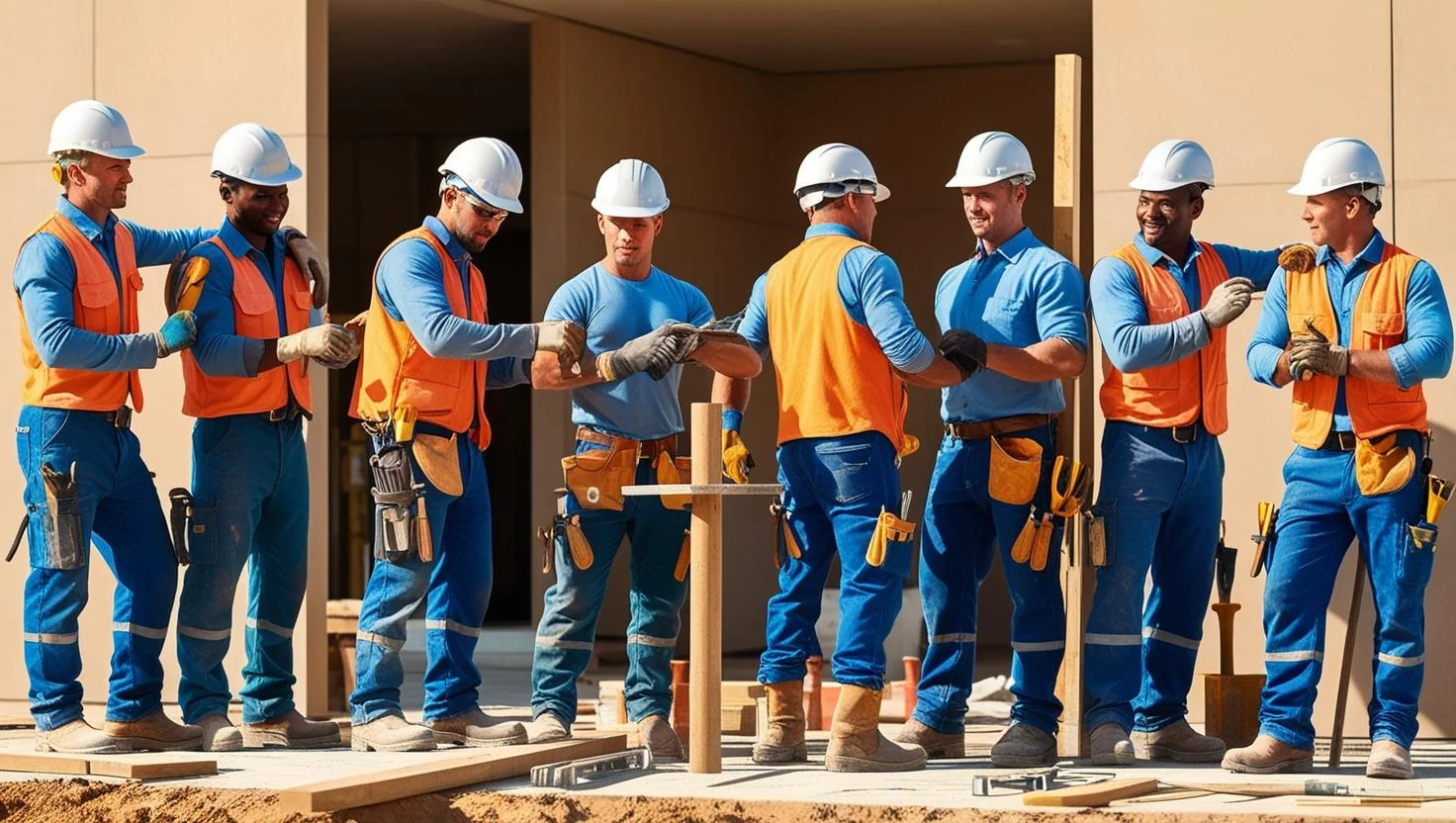
Key Skilled Trades in Bristol's Construction Sector
Bristol's construction industry encompasses a wide range of skilled trades, each playing a vital role in bringing projects to life. Some of the most prominent trades include:
- Carpenters and Joiners: These professionals work with wood to create structures, fittings, and furniture. In Bristol, their skills are particularly valuable in both new builds and the restoration of historic properties.
- Bricklayers: Essential for constructing walls, chimneys, and other masonry structures, bricklayers are in high demand across Bristol's residential and commercial projects.
- Electricians: Responsible for installing, maintaining, and repairing electrical systems, electricians ensure that buildings are safely and efficiently powered.
- Plumbers: From installing water systems to repairing pipes, plumbers play a crucial role in maintaining the functionality of Bristol's buildings.
- Plasterers: These skilled workers apply plaster to walls and ceilings, creating smooth surfaces for painting and decorating.
- Painters and Decorators: Adding the finishing touches to construction projects, these professionals enhance the aesthetic appeal of buildings across Bristol.
- Roofers: Specializing in the installation and repair of roofs, these tradespeople are vital for protecting structures from the elements.
- Scaffolders: Providing safe access to heights, scaffolders are essential for many construction and renovation projects in Bristol.
Training and Qualifications for Construction Trades in Bristol
The path to becoming a skilled tradesperson in Bristol typically involves a combination of formal education and on-the-job training. Many trades offer apprenticeship programs, allowing individuals to earn while they learn. These apprenticeships usually last between two to four years and combine classroom instruction with practical experience on construction sites.
Bristol is home to several institutions that offer training in construction trades, including the City of Bristol College and South Gloucestershire and Stroud College. These institutions provide courses ranging from entry-level certificates to advanced diplomas in various trades.
Additionally, many trade associations and professional bodies offer specialized qualifications and certifications. For example, the Federation of Master Builders (FMB) and the Construction Industry Training Board (CITB) provide ongoing training and development opportunities for tradespeople in Bristol.
The Role of Technology in Bristol's Construction Trades
As technology continues to advance, it is increasingly shaping the landscape of skilled trades in Bristol's construction industry. From Building Information Modeling (BIM) to smart home technologies, tradespeople are adapting to new tools and techniques that enhance efficiency and precision in their work.
For instance, many electricians in Bristol now work with advanced home automation systems, while carpenters may use computer-aided design (CAD) software to plan and execute complex joinery projects. Plumbers are increasingly dealing with smart water management systems, and roofers may employ drones for aerial inspections.
This technological evolution presents both opportunities and challenges for skilled trades in Bristol. While it opens up new avenues for specialization and efficiency, it also requires continuous learning and adaptation to stay competitive in the market.
Challenges Facing Skilled Trades in Bristol
Despite the high demand for skilled tradespeople in Bristol, the sector faces several challenges:
- Skills Shortage: Like many parts of the UK, Bristol is experiencing a shortage of skilled workers in certain trades. This gap is partly due to an aging workforce and a lack of young people entering the industry.
- Brexit Impact: The UK's exit from the European Union has affected the availability of skilled workers from EU countries, potentially exacerbating the skills shortage.
- Keeping Pace with Technology: As mentioned earlier, the rapid pace of technological advancement requires tradespeople to continually update their skills and knowledge.
- Economic Fluctuations: The construction industry is often sensitive to economic changes, which can impact job security and project availability for skilled trades.
- Health and Safety Concerns: Construction remains one of the most dangerous industries, necessitating ongoing efforts to improve safety standards and practices.
Opportunities for Skilled Trades in Bristol
Despite these challenges, Bristol's construction sector offers numerous opportunities for skilled tradespeople:
- Urban Regeneration: Ongoing projects to revitalize areas of Bristol create steady demand for various trades.
- Sustainable Construction: Bristol's commitment to sustainability opens up opportunities for tradespeople skilled in green building techniques and technologies.
- Heritage Restoration: The city's rich architectural heritage provides specialized work for trades skilled in restoration and conservation.
- Self-Employment: Many tradespeople in Bristol successfully run their own businesses, offering flexibility and potential for higher earnings.
- Specialization: As construction techniques evolve, there are opportunities to specialize in niche areas, such as heritage joinery or smart home installations.
The Future of Skilled Trades in Bristol's Construction Industry
Looking ahead, the future of skilled trades in Bristol's construction industry appears promising, albeit with some challenges to navigate. The ongoing need for housing, infrastructure development, and building maintenance ensures a continued demand for skilled tradespeople.
However, the industry will need to address the skills shortage by attracting more young people to the trades. This may involve improving the image of construction careers, highlighting the potential for good earnings and job satisfaction, and emphasizing the increasingly high-tech nature of many trades.
Furthermore, as Bristol continues to prioritize sustainable development, skilled trades will play a crucial role in implementing green building practices and technologies. This shift towards sustainability presents an opportunity for tradespeople to develop expertise in areas such as renewable energy installation, energy-efficient building techniques, and sustainable materials.
The integration of digital technologies into construction processes is likely to continue, requiring tradespeople to blend traditional skills with technological proficiency. This evolution may lead to the emergence of new specialized roles within the trades, combining craftsmanship with digital expertise.
Conclusion
Skilled construction worker trades are integral to Bristol's past, present, and future. These professionals not only build and maintain the physical fabric of the city but also contribute significantly to its economy and character. While facing challenges such as skills shortages and technological changes, the trades also stand to benefit from ongoing urban development, the push for sustainability, and the opportunities presented by new technologies.

As Bristol continues to grow and evolve, the role of skilled trades will remain crucial. By addressing current challenges, embracing new technologies, and attracting fresh talent, the construction trades in Bristol can look forward to a future as vibrant and enduring as the city's iconic skyline. The convergence of traditional craftsmanship with modern innovations promises to keep Bristol's construction industry at the forefront of urban development, ensuring that the city remains a testament to the skill, creativity, and adaptability of its tradespeople.
FAQs ' Find Skilled Construction Worker Trades in Bristol with Team Labourer Agency
What are the most in-demand construction trades in Bristol?
Answer: The most sought-after trades in Bristol include electricians, plumbers, carpenters, bricklayers, and scaffolders.
How much can skilled construction workers earn in Bristol?
Answer: Skilled tradespeople in Bristol can earn between £25,000 and £40,000 per year, depending on their experience and specific trade.
Are there apprenticeship opportunities for construction trades in Bristol?
Answer: Yes, Bristol offers numerous apprenticeship programs for various construction trades through local colleges and training providers.
Do I need any qualifications to work in construction trades in Bristol?
Answer: While some entry-level positions may not require formal qualifications, most skilled trades require specific certifications or NVQs (National Vocational Qualifications).
Is there a high demand for construction workers in Bristol?
Answer: Yes, Bristol's construction industry is booming, with numerous ongoing projects creating a steady demand for skilled tradespeople.
WHY CHOOSE OUR TEAM LABOURER AGENCY ' THE PLACEMENT INDUSTRY? |
CONTACT INFORMATION |
|---|---|
|
|